New Year, Realistic Goals

January 1, 2026

How to Choose Health Goals You’ll Actually Stick With

Every January, I see the same pattern—and I’m guilty of it too: we start motivated, set a million goals, track everything, and then life happens.

If you’re an all-or-nothing person (hi, same), it’s easy to go from “I’m doing all the things” to “welp… I missed a day, so I guess I’m done.” And that’s exactly why most goals don’t stick.


This year, let’s do it differently: pick fewer goals, measure the right things, build a contingency plan for your weak spots, and give yourself grace—without letting grace turn into excuses. Here’s a simple, realistic way to set health goals that actually last!


Step 1: Pick one “keystone” goal (not five)

A keystone goal is the one habit that makes other habits easier. Instead of: “Lose 20 pounds, fix my hormones, sleep 8 hours, stop sugar, work out 6 days/week." Try: “Walk 20 minutes after dinner 5 days/week” or “Protein at breakfast every day” or "Lights out by 10:30 pm on weeknights." When you choose one keystone goal, you reduce decision fatigue and build momentum.


Step 2: Make it measurable and small enough to win

A good goal is specific and realistic. Use this format: I will do [habit] for [time/amount] on [days].

Examples:

  • “I will strength train for 20 minutes on Monday/Wednesday/Friday.”
  • “I will drink 80 oz of water on weekdays.”
  • “I will eat 25–35g protein at breakfast 5 days/week.”

If you’re thinking “that’s too easy,” good. Easy goals get repeated. Repetition is what changes your biology! Then you can always add on, but keep it simple and small.


Step 3: Track the right thing (hint: not the scale every day)

Tracking should create awareness, not anxiety. If you're the kind of person that knows you will get obsessive and beat yourself up over a missed metric, don't track it! If the scale is triggering or discouraging, we can use better markers. Pick one primary metric and one secondary metric.

Primary metric ideas:

  • Energy (1–10)
  • Sleep quality (1–10)
  • Steps/day
  • Protein/day
  • Strength workouts/week

Secondary metric ideas:

  • Waist measurement (every 2–4 weeks)
  • Resting heart rate
  • Blood pressure
  • Lab markers (every few months, depending on your plan)


Step 4: Build your “when life happens” plan

This is the secret sauce. Ask yourself: What usually knocks me off track? What’s my minimum plan when I’m stressed, traveling, or slammed at work? This is where I have failed many times. If I can't get a work out in for the day, I could have at least moved my body with a walk or stretching. If we had a really unhealthy meal, it could throw me off for the rest of the week. Have your back-up plans ready so it's autopilot for you when life happens.

Examples of a minimum plan:

  • If I can’t work out, I’ll do a 10-minute walk.
  • If I can’t meal prep, I’ll prioritize protein + produce.
  • If sleep is rough, I’ll keep the same wake time and get morning light.

Contingency plans work best when you’re honest about your weaknesses. Sometimes you’ll have to shift gears for a season—and that’s okay. Give yourself grace… but don’t give yourself an out.


Step 5: Support your goals with the right labs (especially if you feel “off”)

Sometimes goals feel impossible because your body is fighting you. If you’re dealing with fatigue, brain fog, weight changes, mood shifts, poor sleep, or low motivation, it may be time to look deeper. You deserve a plan that matches your biology. Depending on your symptoms and history, we may consider:

  • Thyroid markers beyond TSH (free T4, free T3, antibodies)
  • Iron/ferritin, B12, vitamin D
  • Sex hormones (testosterone, estradiol, progesterone)
  • Metabolic markers (glucose, insulin, A1c, lipids)
  • Genetics like how you methylate!


A simple weekly check-in (5 minutes)

Once a week, answer these three questions:

  1. What went well?
  2. What got in the way?
  3. What’s one small adjustment I can make this week?

That’s it. Small adjustments compound.


Great health + wellness goals for 2026 (and how I can help)

If you’re not sure what to focus on, here are some goals that make a big difference—without requiring perfection.

  1. Improve energy (so you actually feel like yourself)
  • Goal ideas: consistent sleep/wake times, morning light, strength training 2–3x/week, hydration, balanced blood sugar.
  • How I can help: comprehensive labs + a personalized plan that may include nutrition strategy, supplements, peptides, thyroid optimization, and/or hormone support (when appropriate).

   2. Balance hormones (women + men)

  • Goal ideas: address low libido, mood changes, sleep disruption, hot flashes, cycle changes, low testosterone symptoms, or “I don’t feel like me.”
  • How I can help: symptom-based consults + targeted labs + individualized BHRT options (pellets, injections, creams/patches/oral) and follow-up that actually tracks how you feel.

   3. Support metabolic health and healthy weight

  • Goal ideas: build muscle, improve insulin sensitivity, reduce cravings, improve body composition.
  • How I can help: medical weight loss programs (semaglutide/tirzepatide when appropriate), nutrition coaching support, and pairing weight loss with hormone and thyroid optimization when needed.

   4. Improve sleep and recovery

  • Goal ideas: consistent bedtime, caffeine cutoff, reduce alcohol, magnesium-rich foods, stress regulation.
  • How I can help: deeper root-cause workups, sleep-support protocols, and (coming soon) take-home sleep studies.

   5. Improve gut health (because it affects everything)

  • Goal ideas: more fiber + protein, reduce ultra-processed foods, identify triggers, consistent meals.
  • How I can help: functional medicine approach and (coming soon) stool studies to personalize your plan.

  6. Feel better mentally (mood, anxiety, resilience)

  • Goal ideas: build a realistic routine, prioritize recovery, reduce burnout, ask for help sooner.
  • How I can help: thoughtful screening and treatment options, including ketamine therapy (when appropriate), plus hormone/thyroid/nutrient optimization that can strongly impact mood.


Ready to make 2026 your healthiest year (without burnout)? If you want help choosing the right goal, building a realistic plan, and checking the right labs, we can do that together.


Welcome to 2026!

Doc Nico Your Wellness & Hormones Specialist
Christmas table setting with dishes, treats, ornaments, and a lit candle.
By Nicolette Eberline December 1, 2025
Hey everyone! Doc Nico here—your friendly neighborhood gut-obsessed nurse practitioner. If you’re reading this between bites of holiday cookies or in your stretchy pants, you’re in the right place. Let’s talk about how to survive and actually thrive this season without feeling like a stuffed turkey (or a Grinch). Let’s be real: December is a whirlwind of rich meals, sweet treats, late nights, travel (be safe out there!), and a sprinkle (okay, avalanche) of stress. But you don’t have to accept feeling bloated, sluggish, or “off” until January. Here’s how I help my patients (and myself!) stay energized, comfortable, and guilt-free—using real-life, science-backed strategies (and a dash of humor, because we all need it). Don’t Skip Meals to “Save Up” Trust me, this backfires every time. You’ll end up hangry, inhaling the cheese board, and wondering how you got there. Or you'll end up eating three plates full. Instead, start your day with warm water—bonus points for lemon, ginger, or cucumber. It’s like a spa day for your insides (and your liver will thank you). Eat balanced meals and snacks throughout the day to keep your blood sugar and cravings in check. Add Fiber and Color to Your Plate Holiday party? Big family dinner? Throw some veggies or greens on that plate—even if it’s next to the stuffing. Your gut bugs love fiber and color, and you’ll thank yourself the next day. Here’s a pro tip: start your meal with water, then a fiber-rich salad or handful of veggies, followed by your protein and healthy fats, and save carbs and sugars for last. This eating order slows sugar absorption, keeps blood sugar steady, and helps you feel satisfied (and a little smug). It’s a game-changer for digestion and energy. Follow the 80/20 Rule Have the potatoes. Eat the pie and cookies. Just aim for 80% nourishing foods and 20% treats. Savor each bite, eat slowly, and stop when you’re satisfied—not when you’re planning your next nap on the couch. No food guilt here—one meal won’t ruin your health goals long term, I promise. I know I will be eating all the cookies! Don’t Graze All Day! Holiday grazing is real, but your gut needs breaks. Let your digestive system “clean house” between meals. Your future self (and your pants) will appreciate it. Support Your Microbiome Give your gut bugs a little holiday cheer: try a daily probiotic or some fermented foods (yogurt, sauerkraut, kimchi). Mix it up for diversity—they’re like your internal holiday party guests. The more, the merrier. You can always do a 30 day stent of a pre and probiotic if the holiday season is really messing with your digestive tract and stools! Hydration is Key Water is your secret weapon. Sip it all day, especially in the morning, before a meal, between cocktails or sugary treats. If you’re feeling sluggish, try a glass of water before reaching for another cookie. (No, coffee doesn’t count, but I won’t judge.) Move Your Body A short walk after meals is magic for digestion, blood sugar, and sanity. Even a lap around the living room counts—bonus points if you drag your family with you. Rather than having a full belly and crashing on the couch, get up and move. You might last for an evening holiday movie or the remainder of the event. Manage Holiday Stress Let’s not pretend the holidays are all twinkle lights and joy. Stress happens, and your gut feels it. Set realistic expectations, take deep breaths, and don’t be afraid to sneak outside for some fresh air (or to hide from your relatives). Self-compassion over perfection—always. Rest and Routine Matter Try to keep a somewhat normal sleep schedule and sneak in a little rest, even if it’s just hiding in the bathroom for ten minutes. Good sleep is the best gift you can give your gut, your mood, and your patience. Bottom line and a little 2026 teaser... The holidays are for enjoying, not restricting. A few simple habits can keep your gut (and mood) happy all season—no food guilt, no misery, just more energy for the things (and people) you love. If you need more personalized support, you know where to find me. 2026 is shaping up to be my biggest year yet—think new office, some amazing new staff, and expanded services including advanced microbiome and stool testing. I can’t wait to help you get nerdy about your gut health in the new year. Stay tuned!  Happy holidays and happy gut! Doc Nico Your Wellness & Hormones Specialist

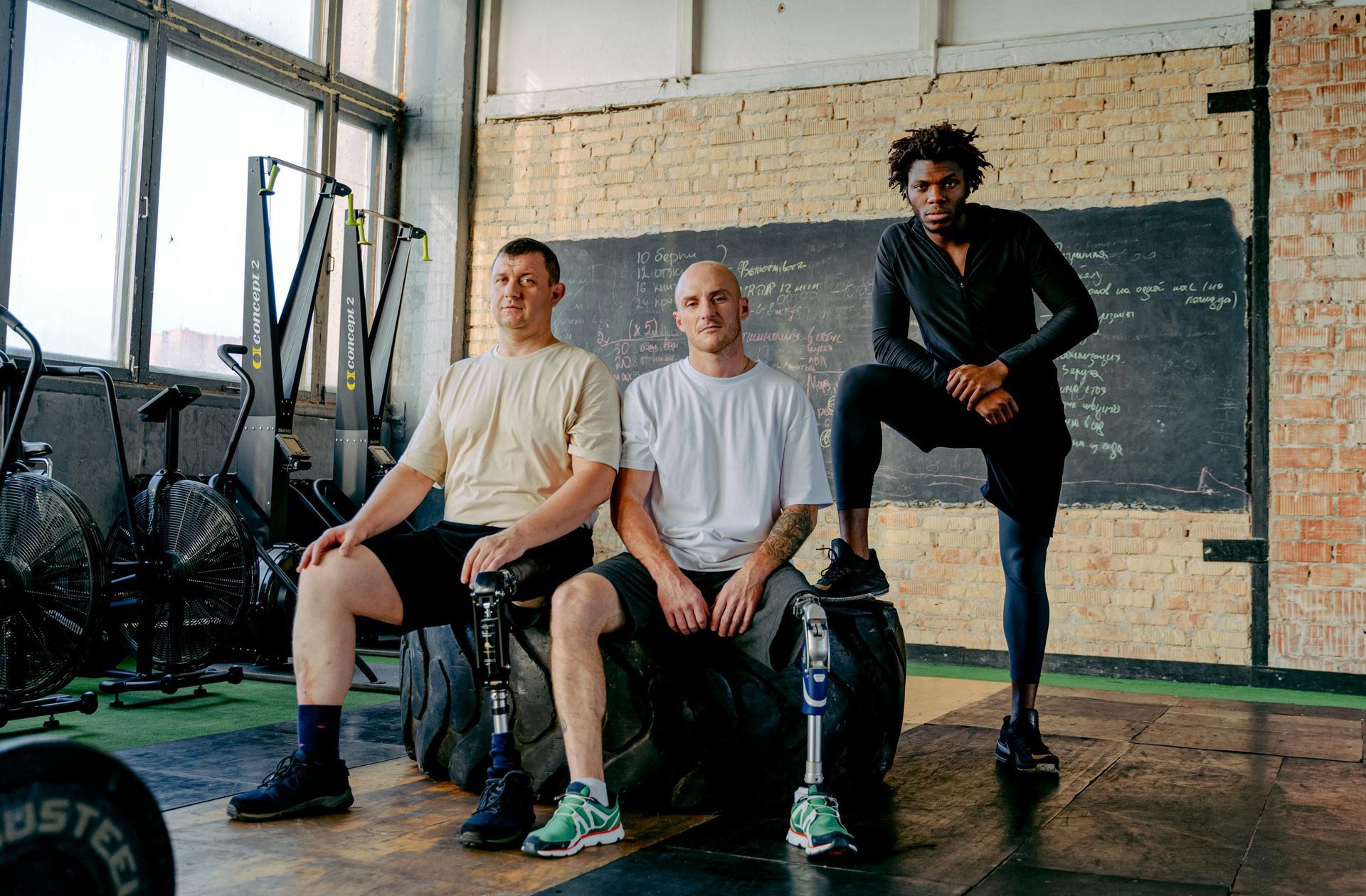
Three men at a gym. Two seated on tires, each with a prosthetic leg. The other stands, leaning on a tire, smiling.
By Nicolette Eberline November 3, 2025
Hey everyone! Doc Nico here, and I'm fired up about something that affects millions of men but rarely gets the attention it deserves. Men are suffering in silence. They're tired, gaining weight, losing muscle, struggling with mood and motivation, and their sex drive has disappeared. They finally work up the courage to see a doctor, get their testosterone checked, and hear those devastating words: "Your labs are normal. There's nothing wrong with you." But here's the truth: "normal" is a lie. The Men's Health Crisis by the Numbers Before we dive into the testosterone scandal, let's talk about the bigger picture: Men are dying, and it's preventable: Men are 24% less likely than women to visit a doctor in the past year Men are 33% more likely to die from heart disease than women Men die by suicide 3.5 times more often than women Men live an average of 5 years less than women 40% of men over 45 have low testosterone, but most are undiagnosed Why aren't men seeking care? Stigma around "weakness" or asking for help Fear of what they might find out Belief that symptoms are "just part of aging" Previous dismissal by healthcare providers Lack of male-focused healthcare messaging The Testosterone Reference Range Scandal Alright, let's get into the part that makes my blood boil as a healthcare provider. Here's how testosterone testing works right now: You get your blood drawn. The lab runs your testosterone level. They compare it to their "reference range" - typically something like 264-916 ng/dL for total testosterone. If you're anywhere in that range, you're told you're "normal." But here's the problem, that range is ABSURD. Why the Reference Range Is Broken It's based on a population average, not optimal health. That 264-916 ng/dL range? It's created by testing a bunch of men (of all ages, health statuses, and fitness levels) and plotting their results on a bell curve. The "normal" range is just the middle 95% of that population. Think about that for a second. If the average man is overweight, sedentary, stressed, and eating poorly (which, let's be honest, describes a lot of American men), then "average" doesn't mean "healthy" - it means "average for a sick population." It lumps 20-year-olds with 80-year-olds. A 25-year-old man with testosterone at 300 ng/dL is NOT the same as a 75-year-old man at 300 ng/d L. But the lab treats them the same - both are "in range." A young man at 300 ng/dL is experiencing premature decline. An older man at 300 ng/dL might be doing okay for his age. Context matters! Testosterone levels have been declining for decades. Studies show that average testosterone levels have dropped about 1% per year since the 1980s. This means today's "normal" would have been considered low 40 years ago. We're literally lowering the bar based on a declining population, then telling men they're fine when they're actually experiencing the effects of a societal health crisis. The range is MASSIVE Let's do some math. The difference between 264 ng/dL and 916 ng/dL is 247%. Imagine if your doctor said your blood pressure could be anywhere from 90/60 to 220/140 and that's "normal." You'd think they were crazy! But that's essentially what we're doing with testosterone. A man at 300 ng/dL and a man at 800 ng/dL are going to feel COMPLETELY different, but both are told they're "fine." What "Low Normal" Testosterone Actually Feels Like If you're a man sitting at 300-600 ng/dL (technically "in range" but on the low end), here's what you might be experiencing: Physical symptoms: Constant fatigue, even after sleeping Difficulty building or maintaining muscle Increased body fat, especially around the midsection Decreased strength and endurance Joint pain and slower recovery from workouts Low libido or erectile dysfunction Hot flashes or night sweats Mental/emotional symptoms: Brain fog and difficulty concentrating Decreased motivation and drive Irritability or mood swings Anxiety or depression Loss of competitive edge Feeling like a shell of your former self The PSA Conversation We Need to Have While we're talking about men's health, let's address prostate health. PSA (Prostate-Specific Antigen) testing is controversial, but here's what you need to know. What is PSA? PSA is a protein produced by the prostate gland. Elevated levels can indicate prostate cancer, but they can also be elevated due to benign conditions like enlarged prostate or prostatitis. The controversy is some organizations say routine PSA screening leads to overdiagnosis and unnecessary treatment. Others say it saves lives by catching cancer early. My take: If you're over 40, really considering TRT or getting a health baseline in your mid-late 30s, you should know your PSA One PSA number means nothing - it's about tracking trends over time PSA should be part of a comprehensive men's health evaluation Discuss the pros and cons with a provider who will actually listen to you Important for testosterone therapy: If you're considering testosterone replacement, you NEED a baseline PSA. Testosterone doesn't cause prostate cancer, but it can accelerate an existing cancer. We check PSA before starting therapy and monitor it regularly. When Should You Actually Seek Treatment? Here's my professional opinion on when testosterone optimization makes sense. You should consider testosterone therapy if: Your total testosterone is below 600 ng/dL AND you have symptoms Your free testosterone is low (this is often more important than total) You've tried lifestyle optimization (sleep (yes that means treating sleep apnea aka snoring), diet, exercise, stress management) for 3-6 months without improvement Your symptoms are significantly affecting your quality of life You're motivated to commit to treatment and monitoring The Lifestyle Foundation Before we talk about treatment, let's be real - some men have low testosterone because of lifestyle factors that are fixable: Things that TANK testosterone: Poor sleep (especially less than 7 hours) Chronic stress and high cortisol Excess body fat (fat tissue converts testosterone to estrogen) Excessive alcohol consumption Lack of exercise (especially strength training) Nutrient deficiencies (zinc, vitamin D, magnesium) Certain medications Environmental toxins (plastics, pesticides) Things that BOOST testosterone naturally: Quality sleep (7-9 hours consistently) and treating sleep apnea Strength training 3-4x per week Maintaining healthy body composition Managing stress effectively Eating adequate protein and healthy fats Getting morning sunlight Limiting alcohol Optimizing vitamin D, zinc, and magnesium If your lifestyle is a mess, we need to fix that first. But if you're doing everything right and still feeling terrible, it's time to consider treatment. Treatment Options That Actually Work Injections: Dosing: Twice weekly Administration: Intramuscular or subcutaneous Pharmacology: Synthetic testosterone Kinetics: Creates peaks and troughs in serum levels between doses Pellets: Dosing: Every 4-6 months (average 5 months) Administration: In-office minor surgical procedure (subdermal implantation) Pharmacology: Bioidentical testosterone Kinetics: Provides steady-state release over time with minimal fluctuation Creams: Dosing: Daily application Administration: Topical (scrotal application provides highest absorption due to thinner skin and increased permeability) Pharmacology: Bioidentical testosterone Kinetics: Transdermal absorption; effectiveness varies based on application site and individual skin barrier function Oral Pills: Dosing: Daily (typically twice daily) Administration: Oral Pharmacology: Synthetic testosterone (testosterone undecanoate) Kinetics: Absorbed through the lymphatic system, bypassing first-pass liver metabolism Note: Less commonly prescribed What about "booster" supplements? Most over-the-counter testosterone boosters are garbage. They might help if you have specific nutrient deficiencies, but they won't fix true low testosterone. Save your money. There are prescription testosterone boosters that may work for patients and may be a better option for those in their 20s, 30s, preserving fertility or actively trying to have a baby. Beyond Testosterone: Other Hormones That Matter Testosterone doesn't exist in isolation. When we optimize men's hormones, we also look at: Estradiol (yes, men need estrogen too!) Too low: joint pain, low libido, mood issues Too high: water retention, emotional, erectile dysfunction We want it in the sweet spot, not too high or too low Thyroid hormones Often overlooked in men Low thyroid mimics low testosterone symptoms Should always be checked alongside testosterone Cortisol Chronic stress kills testosterone production High cortisol = low testosterone Must address stress to optimize hormones DHEA Precursor to testosterone and estrogen Declines with age Can be supplemented if low The Mental Health Connection Here's something most doctors won't tell you: low testosterone and depression/anxiety are deeply connected. Low testosterone can cause:, depression, anxiety, irritability, brain fog, and loss of motivation. But the catch is depression and anxiety can also LOWER testosterone. It's a vicious cycle. F or veterans and first responders especially, PTSD, depression, and anxiety are rampant in these communities. And guess what? These conditions often coexist with hormonal imbalances. This is why I offer both hormone optimization AND ketamine therapy. Sometimes you need to address the mental health piece alongside the physical health piece. Breaking the stigma: Seeking help for mental health isn't weakness - it's strength. Optimizing your hormones isn't "cheating" - it's healthcare. You deserve to feel good. What to Expect from Treatment If you start testosterone therapy, here's the realistic timeline: Weeks 1-2 you might feel a bit better, might feel nothing yet. This is normal - be patient. Weeks 3-6 your e nergy starts improving, mood lifts, libido returns, workouts feel better. M onths 2-3 , you have n oticeable muscle gain, fat loss (especially with proper diet/exercise), mental clarity improves, you're feeling more like yourself. Months 3-6 you have c ontinued body composition changes, stable mood and energy, improved confidence and motivation and thinking "this is how I'm supposed to feel." Important: Results vary by individual, and you need to be patient. This isn't a quick fix - it's a long-term commitment to your health. The Monitoring You Need If a provider prescribes testosterone without proper monitoring, RUN. Typical monitoring schedule depends on the method of getting hormones but includes at a minimum baseline labs, labs for dosing adjustments, and every 6-12 months with an annual PSA. You should be monitored for: Testosterone levels (total AND free ) Sex hormone binding globulin Estradiol Hematocrit (testosterone can increase red blood cells) PSA Liver function Lipid panel Thyroid function The Bottom Line The men's health crisis is real, and it's not getting better on its own. If you're suffering, you're not alone, and you're not "just getting old." Here's what I want you to take away: "Normal" labs don't mean optimal health - If you feel terrible, something is wrong Testosterone below 600 ng/dL with symptoms deserves treatment - Don't let anyone tell you otherwise Lifestyle matters - Fix the foundation first, but don't suffer needlessly if lifestyle isn't enough Mental and physical health are connected - Address both for best results You deserve to feel good - Quality of life matters at every age Men's health matters. YOUR health matters. And no, you don't just have to accept feeling like crap as "part of aging." Ready to take control of your health? If you're in the Las Vegas area and tired of being dismissed, I'm here to help. Text me at (725) 222-8260. Let's fix this together. Your partner in men's health, Doc Nicolette P.S. Share this with the men in your life who need to read it. Knowledge is power, and every man deserves to feel strong, energized, and like himself again. 💙 
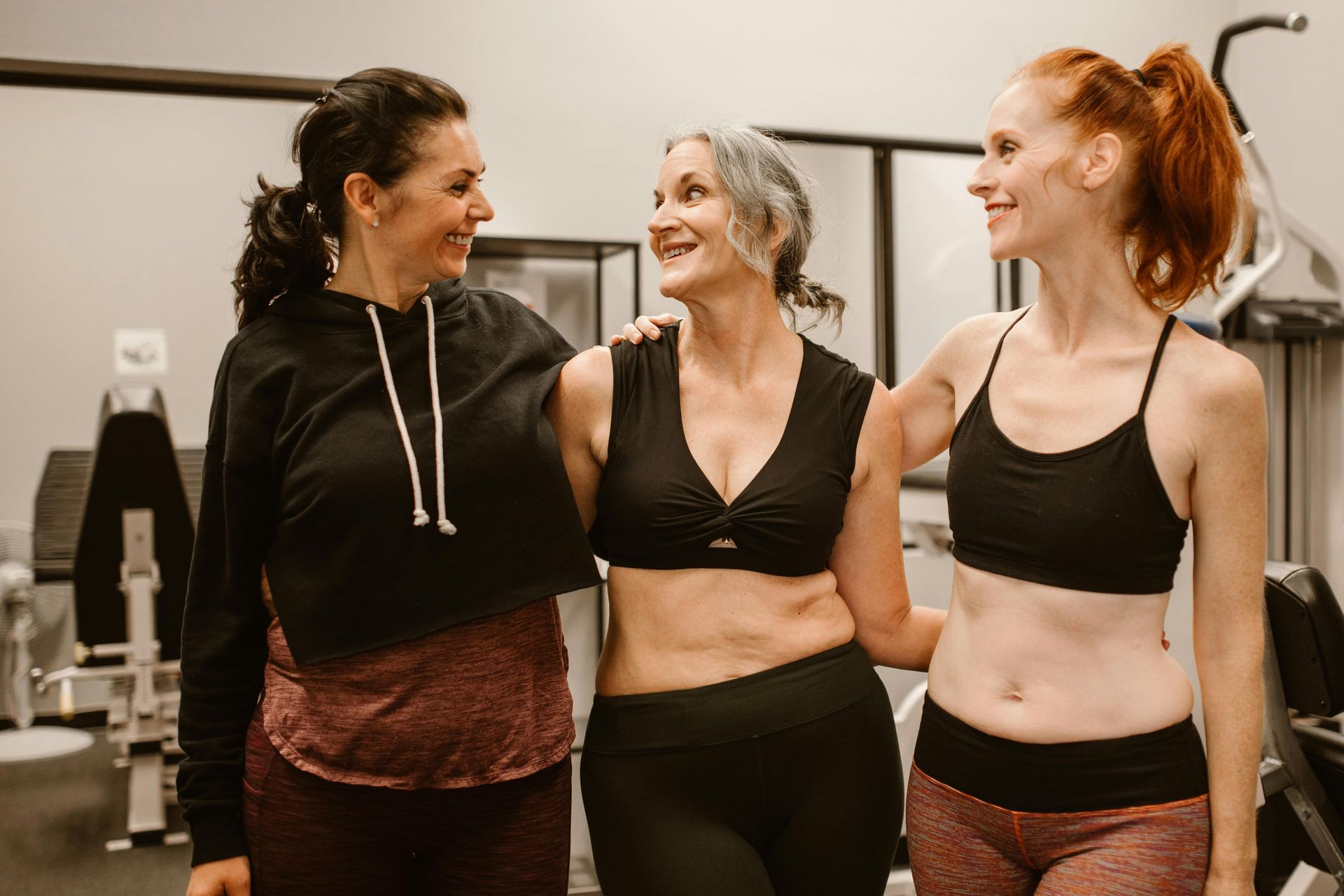
Two women holding pink breast cancer awareness ribbons.
By Nicolette Eberline September 23, 2025
Hey everyone! Doc Nico here, and I need to talk about something that's not just professional for me - it's deeply personal. Breast cancer awareness isn't just another health topic I discuss with patients. With my mother, grandmother, and a recent family member all affected by breast cancer, plus my own elevated lifetime risk discovered during my recent mammogram and ultrasound, I'm passionate about empowering women with knowledge that goes way beyond the pink ribbon campaigns. As a functional medicine practitioner who specializes in hormone optimization, I see the connection between hormones and breast health every single day. And honestly? There's so much more women need to know than what we typically hear during October. The Hormone-Breast Health Connection You Need to Understand Let's start with something most women don't realize: your breast tissue is incredibly hormone-sensitive. Every month, your breasts respond to fluctuations in estrogen and progesterone. Over a lifetime, these hormonal changes significantly impact your breast health. Here's what's happening: 🔬 Estrogen's Role Estrogen stimulates breast tissue growth. When estrogen levels are consistently high without adequate progesterone balance (called "estrogen dominance"), it can increase breast tissue density and potentially elevate cancer risk. 🔬 Progesterone's Protection Progesterone has a protective effect on breast tissue. It helps balance estrogen's growth-promoting effects and may actually reduce breast cancer risk when levels are adequate. 🔬 Testosterone's Protective Role Here's something most women don't know: testosterone may actually be protective against breast cancer! Women produce testosterone too (just in smaller amounts than men), and research suggests adequate testosterone levels may help reduce breast cancer risk. This is another reason why balanced hormone optimization - not just estrogen and progesterone, but testosterone too - is so important for overall breast health. 🔬 The BHRT Question This is where it gets complicated. Many women avoid bioidentical hormone replacement therapy (BHRT) because they've heard "hormones cause breast cancer." But the research is much more nuanced than that blanket statement. The truth? It depends on: The TYPE of hormones used (bioidentical vs. synthetic) The METHOD of delivery (oral vs. transdermal) The BALANCE of hormones (estrogen alone vs. estrogen with progesterone) Your individual risk factors and family history Debunking the Women's Health Initiative Myth Let's address the elephant in the room: the Women's Health Initiative (WHI) study that terrified an entire generation of women away from hormone therapy. Here's what actually happened: The WHI study, published in 2002, found an increased risk of breast cancer in women taking hormone replacement therapy. But here's what they DON'T tell you in the headlines: ❌ What the study used: Premarin (synthetic estrogen from pregnant horse urine) Provera (synthetic progestin, NOT natural progesterone) Oral delivery method One-size-fits-all dosing ❌ What the study didn't account for: Individual hormone levels before treatment Bioidentical hormone alternatives Different delivery methods Personalized dosing based on symptoms and labs ✅ The REAL findings: The increased risk was small (about 8 additional cases per 10,000 women per year) The risk was primarily in the estrogen + synthetic progestin group Women taking estrogen alone actually had a DECREASED risk of breast cancer Many women in the study were starting hormones 10+ years after menopause (not ideal timing) The bottom line: This study looked at ONE specific combination of synthetic hormones and applied the results to ALL hormone therapy. That's like saying "cars are dangerous" because one specific model had brake problems. What the Research Actually Shows About Bioidentical Hormones More recent studies on bioidentical hormones show a very different picture. Here are some key findings: Bioidentical progesterone appears protective against breast cancer (unlike synthetic progestins) Transdermal estrogen (patches, gels, creams) has a lower risk profile than oral estrogen The timing of hormone therapy matters (starting closer to menopause vs. years later) Individual genetics and risk factors play a huge role Balanced hormone optimization may actually be protective when done properly The truth is: Hormones don't simply "cause" cancer. Cancer is multifactorial, involving genetics, lifestyle, environmental factors, immune function, and yes, hormones - but it's the BALANCE and TYPE of hormones that matters, not their mere presence. Beyond Hormones: A Functional Medicine Approach to Breast Health While hormones get all the attention, breast health is influenced by so much more: Lifestyle Factors That Matter 🥗 Nutrition Anti-inflammatory foods (leafy greens, berries, fatty fish) Cruciferous vegetables (broccoli, cauliflower, Brussels sprouts) help metabolize estrogen Limit processed foods and excess sugar Maintain a healthy weight (fat tissue produces estrogen) 😴 Sleep Quality Poor sleep disrupts hormone production and increases inflammation. Aim for 7-9 hours of quality sleep nightly. 🏃‍♀️ Regular Exercise Exercise helps regulate hormones, reduces inflammation, and supports immune function. Even 30 minutes of walking most days makes a difference. 🧘‍♀️ Stress Management Chronic stress elevates cortisol, which can disrupt other hormones and suppress immune function. Find what works for you - meditation, yoga, therapy, whatever helps. 🚭 Limit Toxin Exposure Choose organic when possible (especially for the "Dirty Dozen" foods) Use clean beauty and household products Filter your water Limit alcohol consumption Questions Every Woman Should Ask Her Doctor Based on my own experience navigating elevated breast cancer risk, here are the questions I wish every woman would ask: "What is my actual lifetime risk, and what factors contribute to it?" "Should I consider genetic testing (BRCA1, BRCA2, and other genes)?" "How does my family history specifically affect my screening recommendations?" "What's the difference between a screening mammogram and a diagnostic mammogram?" "Should I have breast MRI or ultrasound in addition to mammograms?" "How do my current hormones (or hormone therapy) affect my risk?" "What lifestyle changes would have the biggest impact on my breast health?" "How often should I do self-exams, and will you teach me the proper technique?" Beyond Mammograms: Additional Screening Options Mammograms are important, but they're not perfect - especially for women with dense breast tissue (like me!). Other screening tools include: Breast ultrasound - Great for dense tissue, no radiation Breast MRI - Most sensitive test, recommended for high-risk women 3D mammography (tomosynthesis) - Better than traditional 2D mammograms Thermography - Controversial but some find it helpful as an adjunct The BRCA Gene Reality Check Everyone talks about BRCA mutations, but here's what you need to know: Only 5-10% of breast cancers are due to BRCA mutations There are other genetic mutations to consider (PALB2, CHEK2, ATM, and more) Having a mutation doesn't guarantee you'll get cancer NOT having a mutation doesn't mean you're in the clear Genetic counseling can help you understand your personal risk and options. If You're High-Risk Like Me Having elevated risk doesn't mean living in fear. It means being proactive: 🔍 Enhanced Screening More frequent mammograms (every 6-12 months vs. annually) Additional imaging like MRI or ultrasound Clinical breast exams every 6 months 💊 Risk-Reduction Options Medications like tamoxifen or raloxifene (discuss pros/cons with your doctor) Lifestyle modifications (diet, exercise, stress management) For very high-risk women, prophylactic surgery is an option 🧘‍♀️ Mental Health Support Living with elevated cancer risk affects your mental health. Therapy, support groups, and stress management aren't luxuries - they're necessities. Hormone Therapy and Breast Cancer Risk: My Professional Take As someone who prescribes BHRT AND has elevated breast cancer risk, here's my approach: For women with average risk: BHRT can be very safe when properly prescribed and monitored Benefits often outweigh risks, especially for quality of life Regular monitoring and breast health optimization are key For women with elevated risk: More careful consideration and monitoring required May still be appropriate depending on individual factors Alternative approaches like lifestyle optimization become even more important For women with a history of breast cancer: Generally avoid systemic hormone therapy Focus on non-hormonal approaches for symptom management Work closely with oncologist and hormone specialist The Bottom Line Breast cancer awareness shouldn't just be about wearing pink in October. It should be about: Understanding your personal risk factors Making informed decisions about screening and prevention Taking a whole-body approach to breast health Advocating for yourself in medical settings Living your life fully while being appropriately cautious Not letting outdated research scare you away from potentially beneficial treatments Remember that early detection saves lives, s elf-advocacy saves lives, taking care of your whole body saves lives, and making informed decisions based on current research saves lives! Ready to take charge of your breast health? If you're in the Las Vegas area and want to discuss hormone optimization, risk assessment, or just have questions about breast health, I'm here. Text me at (725) 222-8260 or visit www.nicodnp.com. Yo ur health is worth fighting for - and you don't have to fight alone. With love and determination, Doc Nico Your Wellness & Hormones Specialist

Person slumped in armchair, face obscured by jacket. A hand dangles towards a mug.
By Nicolette Eberline September 1, 2025
The Science of Schedule Disruption
Chalkboard with
By Nicolette Eberline August 11, 2025
My 7 Go-To Strategies for Thriving This Fall