Healthy Aging Month: The Longevity Wake-Up Call I Didn’t Know I Needed (and Why Biomarkers Matter)

September 1, 2026

Small, consistent habits + the right labs can change your entire aging trajectory.

Healthy Aging Month is one of my favorite times of year to talk about what actually matters long-term—because “aging well” isn’t just about wrinkles or a number on the scale. It’s your energy. Your mood. Your sleep. Your recovery. Your metabolism. Your brain. Your body composition. Your hormones. Your resilience. And if you’ve been feeling like you’re doing “all the right things” but still not getting the results you want… I get it. I’ve been there too. This month, I want you thinking about longevity in a different way: not “how do I look?” but “how is my body actually doing?” Because you deserve to know.


The truth about aging (that nobody wants to say out loud)

Aging is happening whether we pay attention to it or not. But the way we age—how fast, how well, and how resilient we feel—has a lot to do with the things we do every day. I know everyone wants the magic supplement, the perfect protocol, the one “hack.” But in real life, the biggest needle-movers are usually the boring things. The big rocks. Sleep, stress, strength, metabolic health, inflammation, recovery. The stuff that doesn’t go viral… but changes your life.


The Longevity Big Rocks (what I focus on with patients first)

Here’s the part I want you to hear clearly: you don’t need to do everything. You need to do the right things consistently.


Sleep isn’t optional repair time
  • Sleep isn’t just “rest.” It’s repair. When sleep is inconsistent or poor quality, it affects inflammation, cravings, blood sugar, mood, anxiety, recovery, and even how puffy and inflamed you feel day to day. If you want one simple goal, it’s this: protect your sleep rhythm. Your body loves rhythm.


Strength is longevity
  • Muscle is one of the biggest predictors of long-term health. Not just for aesthetics—literally for how you function as you age. Strength affects metabolism, insulin sensitivity, balance, injury risk, confidence… all of it. You don’t have to be extreme. You just have to be consistent.


Metabolic health is a quiet driver
  • Blood sugar swings age you faster than people realize, and they show up as “normal life problems”: energy crashes, cravings, brain fog, stubborn body comp, moodiness, poor sleep. A lot of people think they need more discipline. What they really need is a plan that supports their physiology.


Stress isn’t only emotional
  • Stress is also sleep debt, under-eating, overtraining, dehydration, inflammation, and being “on” all day with no downshift. If your nervous system never comes down, your body can’t repair the way it’s supposed to. I’m not saying you need a stress-free life. I’m saying you need a daily off ramp.


The problem: most people are guessing

This is where most people get stuck. They’re doing “healthy” things, but they don’t know what’s actually driving their symptoms, what’s working, what’s not, and what to prioritize first. That’s why I’m such a fan of labs and biomarkers. Not because I’m obsessed with numbers, but because data reduces overwhelm. It gives you clarity.


Annual labs vs longevity biomarkers (both matter)

Annual labs are your baseline “adulting” check-in. If it’s been a while since you’ve done a true health check-in, this is one of the best things you can do for yourself—especially if you want to know how you’re aging internally. But if you want to go a step deeper into longevity, this is where TruAge + TruHealth comes in.


TruAge + TruHealth: the test that humbled me (in a good way)

Let me be real with you: I did TruAge + TruHealth with my spouse and I because I wanted to know where we stood. I’m in this world every day. I help patients with this stuff. I talk about longevity all the time. And I still wanted the truth.


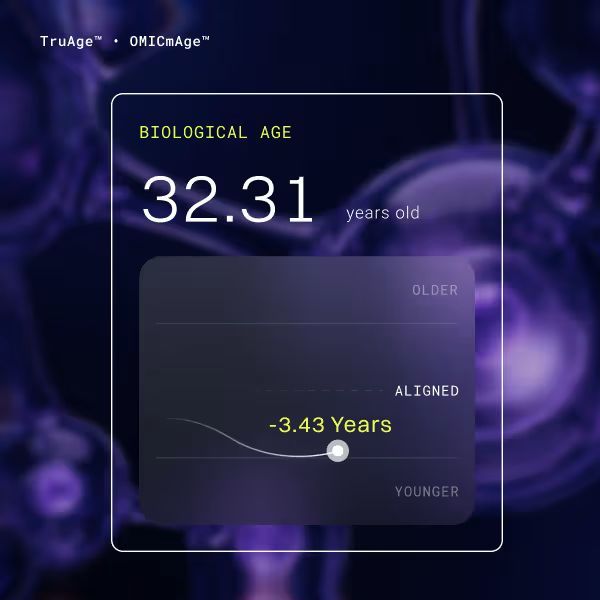
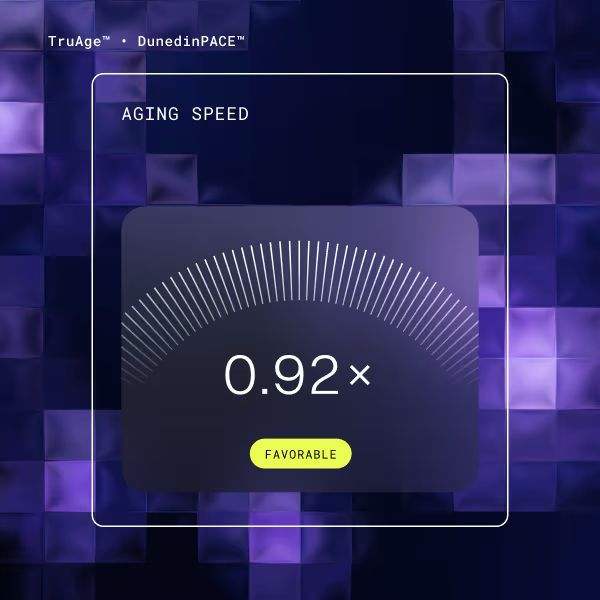
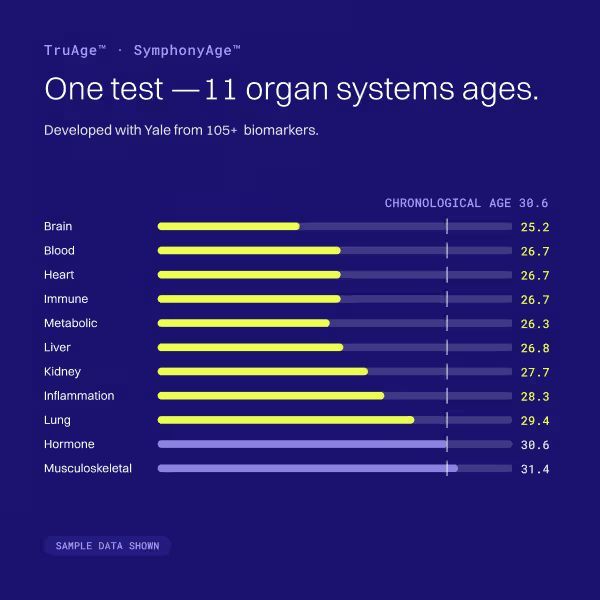
One of my ages came back younger… and one came back older. Then I looked at the organ system breakdown and realized some of my systems were aging way too fast. It was a wake-up call. Not in a shamey way. In a “okay, Nicolette… we’re not ignoring this” way. And my spouse? Both of his came back older. So now we’re like, cool—this is our baseline. We’re not panicking. We’re getting intentional. Honestly, I can’t wait to redo them this year to see how we’ve improved, because that’s what I love about biomarker testing: it turns “I think I’m healthier” into proof.


What TruAge + TruHealth actually includes

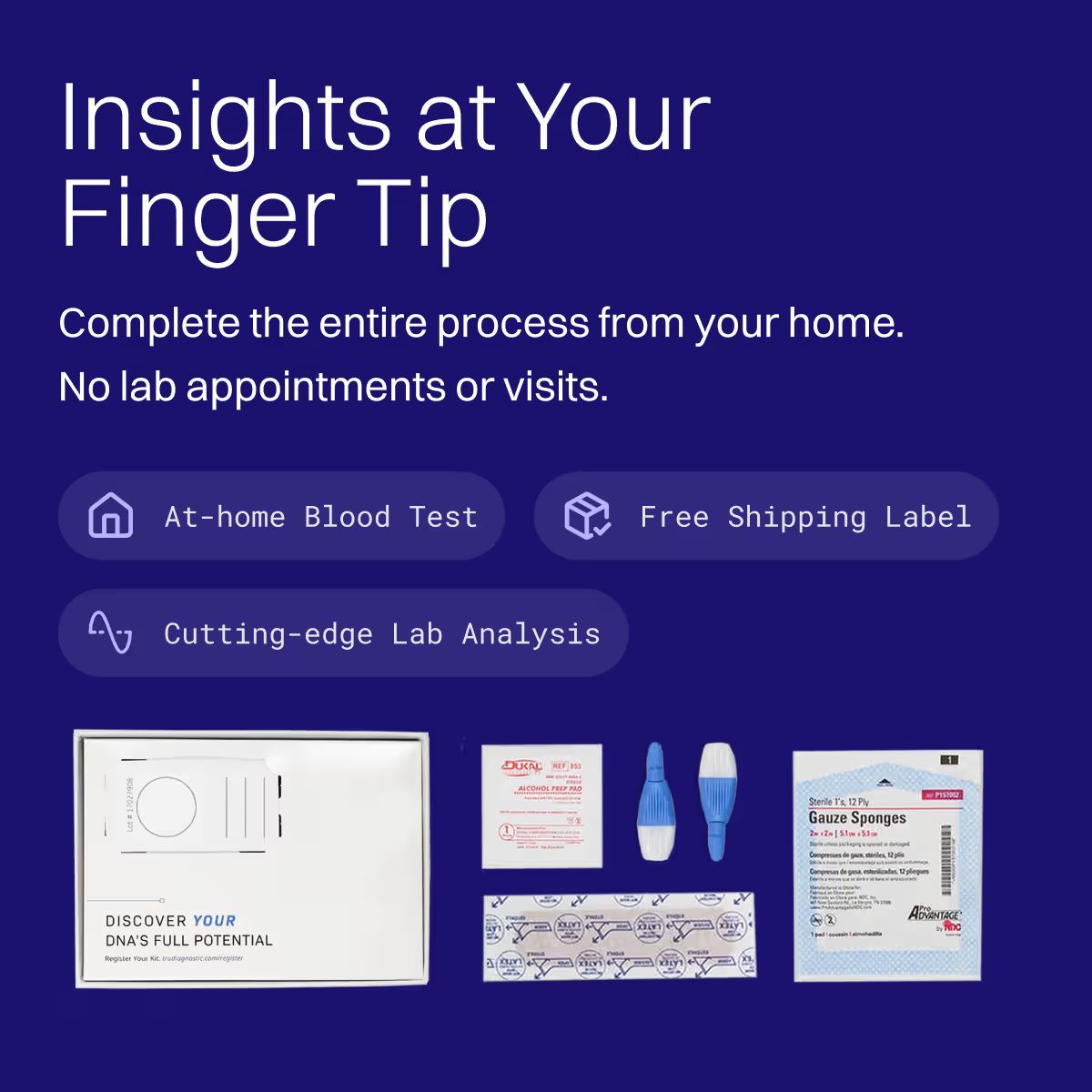
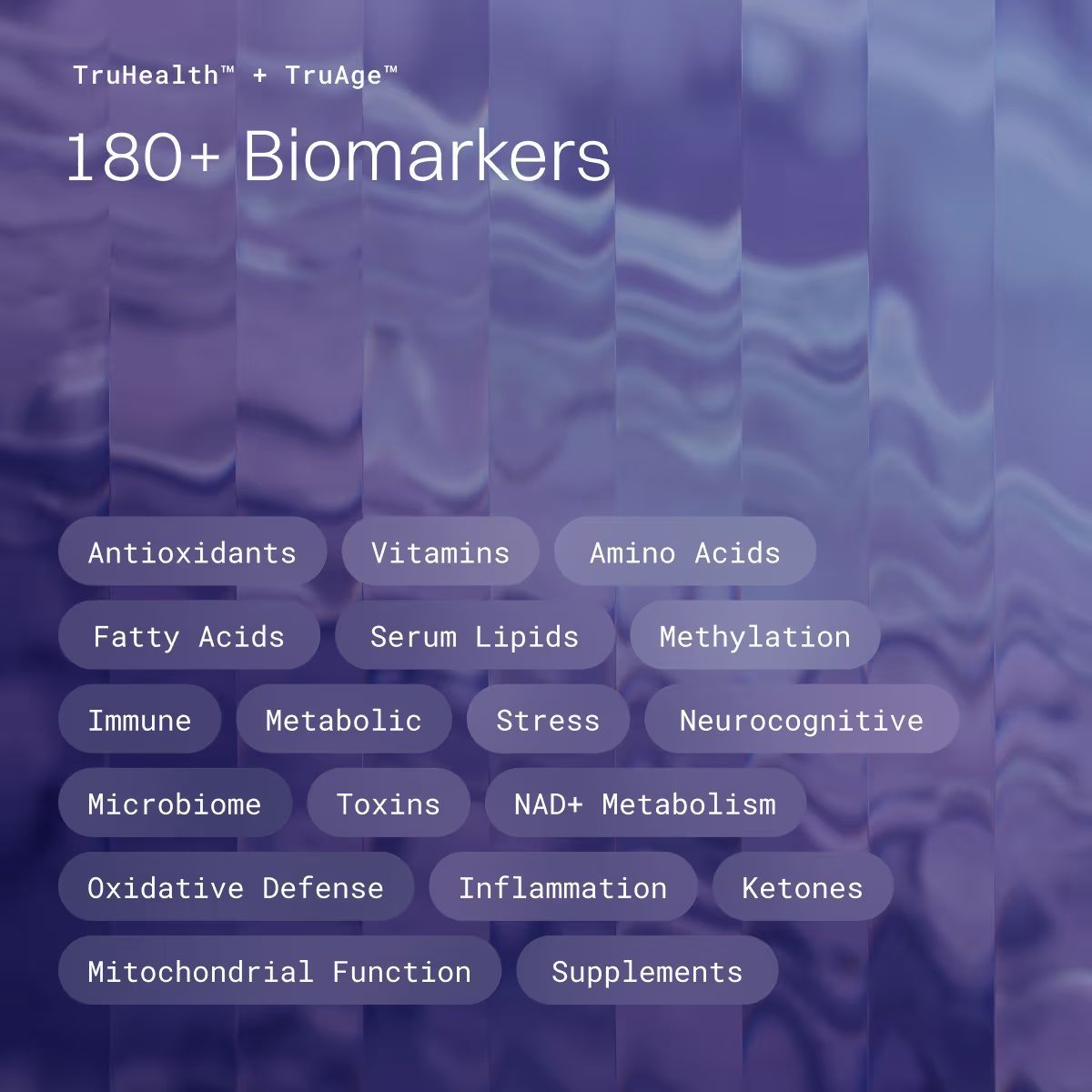
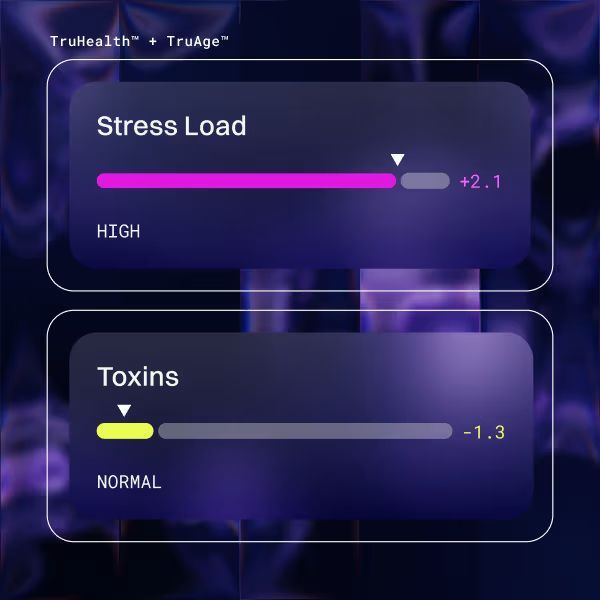
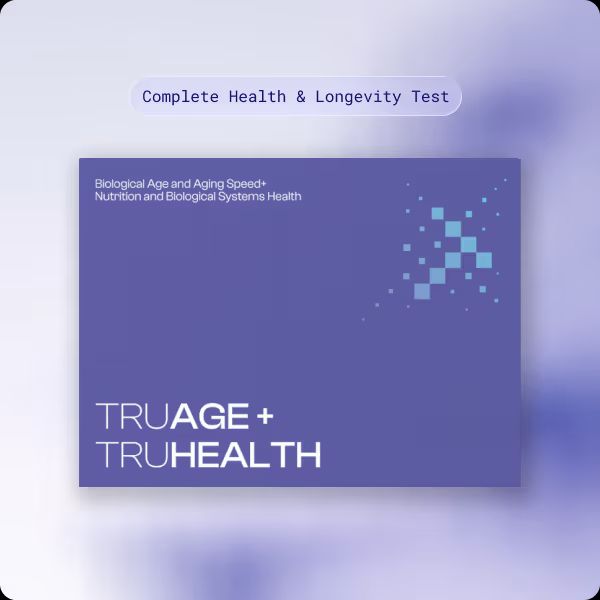
TruAge + TruHealth combines TruDiagnostic’s two flagship tests into one simple kit and includes 180+ epigenetic biomarkers. It measures your biological age and aging speed, with insights across 19 biological systems (neurocognition, inflammation, metabolism, and more). You also get patterns related to nutrients, inflammation/immunity, and metabolic health, plus personalized recommendations based on your results. It’s a simple at-home blood sample kit you can do yourself, or we can help you do it in-office if you prefer. And yes, it’s HSA/FSA eligible.


If you’ve been curious about longevity testing, September is the month to do it. We’re running Healthy Aging Month pricing for TruAge + TruHealth, and we can also pair it with annual labs so you get a full-picture baseline.


If you want to do TruAge + TruHealth (solo or with your spouse/family), text us “TRUAGE” and we’ll get you set up and walk you through the options or click here --> to purchase the test online.


Let's see how you're aging 💚


Your partner in wellness,

Doc Nico (Nicolette E., DNP, FNP-C)

Wellness & Hormones Avenue | Aesthetics by Nicolette
By Nicolette Eberline August 9, 2026
What to track, what to stop brushing off, and why “I’m fine” isn’t a health plan!
By Nicolette Eberline June 1, 2026
What to track, what to stop brushing off, and why “I’m fine” isn’t a health plan!
By Nicolette Eberline May 15, 2026
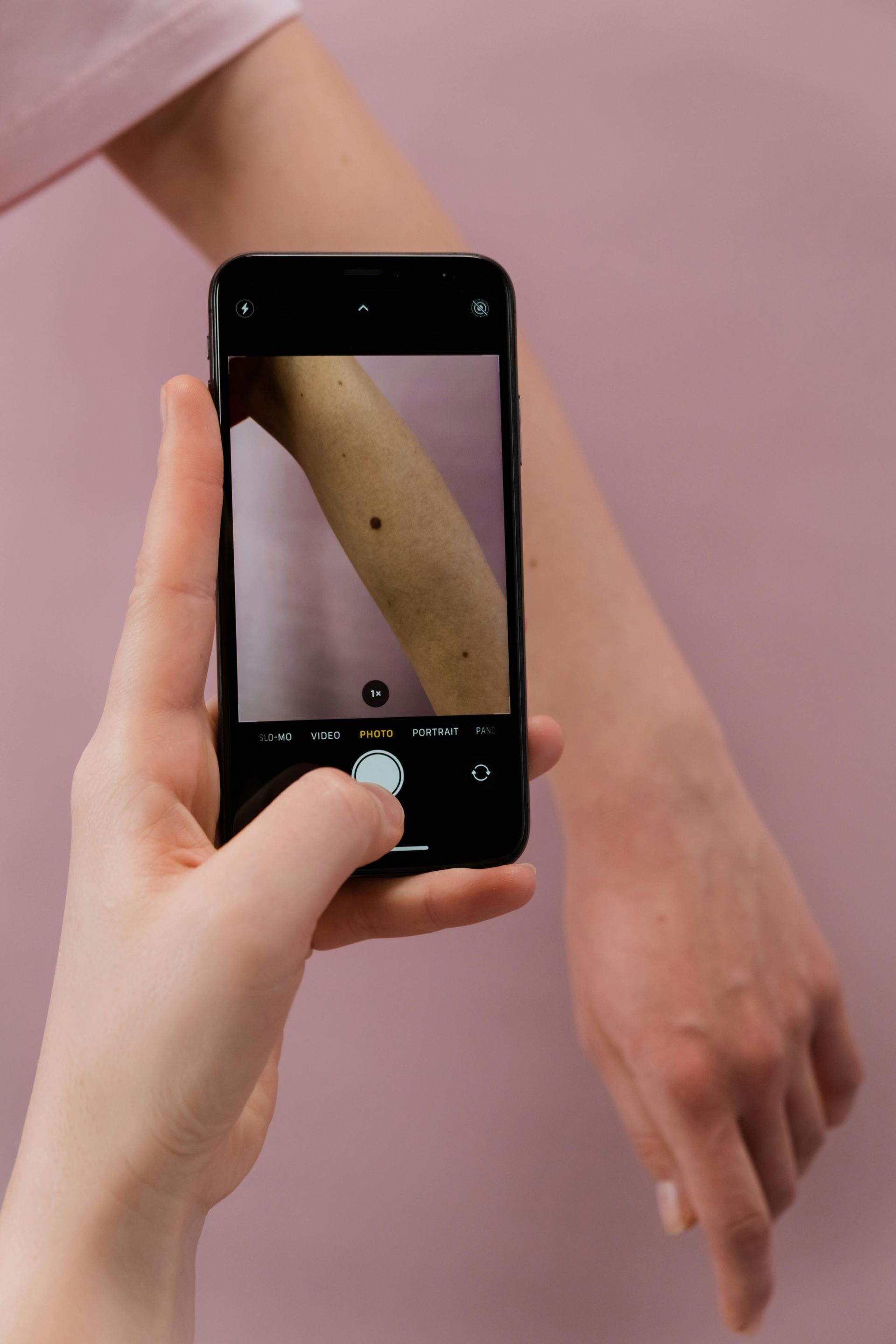
May is Skin Cancer Awareness Month, and this is your reminder that skin health is more than “anti-aging.” It’s prevention. It’s early detection. And it’s protecting the skin you live in—especially in the Vegas sun. This post is your practical guide to what to watch for, what a real skin exam should include, and the everyday habits that protect your skin (and your future). What “abnormal” can look like: the ABCDEs Most skin spots are harmless. The goal isn’t to panic—it’s to notice what’s new, changing, or just doesn’t match the rest and get it checked sooner rather than later. If you’re not sure what you’re looking at, the ABCDE checklist is a great place to start. A — Asymmetry: one half doesn’t match the other B — Border: irregular, scalloped, or poorly defined edges C — Color: multiple colors or uneven color (tan, brown, black, red, white, blue) D — Diameter: larger than about 6 mm (pencil eraser), or any lesion that’s growing E — Evolving: changing in size, shape, color, itching, bleeding, or crusting If you only remember one letter, remember E. “Evolving” is often the biggest clue that it’s time to book an exam. Annual dermatology exams: what a thorough check should include I’m a big believer in annual full-body skin exams with dermatology—especially if you’ve had lots of sun exposure, tanning, blistering burns, or you’re noticing new or changing spots. A yearly exam is one of those “small effort, big payoff” habits. A true full-body exam is exactly that: full body. It can include areas people forget about (or don’t realize can develop skin cancer), like: Scalp and hairline Behind the ears Between the toes and the soles of the feet Under nails Skin folds Inside the mouth And yes—genital areas when appropriate (skin is skin) It’s not about being awkward—it’s about being thorough. You’re not “being dramatic” by asking for a complete exam. You’re being proactive. Sunscreen: what actually matters Sunscreen only works if you use it correctly. The best sunscreen is the one you’ll wear consistently, and the goal is daily protection—not perfection. For most people, SPF 30+ is a solid everyday baseline, and the real “secret” isn’t chasing the highest number—it’s applying enough and reapplying when it counts. Here’s the practical baseline: SPF 30+ daily is a great starting point for most people Higher SPF can help, but it’s not a “free pass” to stay in the sun longer Reapply when you’re outdoors, sweating, or swimming Don’t forget high-miss areas: ears, neck, chest, and hands Now, what to look for when you’re choosing one: It SHOULD say broad-spectrum (covers UVA + UVB) It SHOULD have a texture you’ll actually wear daily (tinted options can be great if you hate white cast) If you’re sensitive/reactive, it SHOULD include mineral filters like zinc oxide and/or titanium dioxide If you’re acne-prone, it SHOULD be labeled non-comedogenic (and feel lightweight enough that you’ll reapply) What it shouldn’t be (or use with caution): It SHOULDN’T be non–broad-spectrum (SPF alone doesn’t guarantee UVA coverage) It SHOULDN’T sting your eyes or irritate your skin (because then you won’t reapply it) It SHOULDN’T be expired—or stored in a hot car all summer (heat can degrade it) If you “hate sunscreen,” it usually means you haven’t found the right texture yet—there are great options now that don’t feel heavy or greasy. If you’re acne-prone, sensitive, or you wear makeup daily, it’s worth finding a formula that fits your routine so you’ll actually stick with it. Sun-smart accessories that make a real difference In Vegas, I treat sun protection like a daily uniform. These small habits add up fast over years, and they’re often easier than trying to “fix” sun damage later. Wide-brim hat (not just a baseball cap) UV-protective sunglasses (sun exposure can damage the eyes/retina over time) Driving protection: consider gloves or UPF sleeves—your hands show sun damage early Fun fact you’ll notice over time: the left side of the face often ages faster for many drivers because of window exposure. It’s subtle at first, then one day you can’t unsee it. Skin aging: prevention + aesthetics (the best combo) Healthy skin is a long game. Prevention protects your baseline, and aesthetics can help you improve what sun and time have already changed. Think of it as two lanes: protect and restore. A few evidence-based tools that can support texture, tone, and fine lines: Tretinoin (when appropriate) for wrinkles and skin turnover In-office aesthetics like neurotoxins, microneedling, and other collagen-stimulating treatments Laser options (when appropriate) for pigment and texture When is the “right time” to do laser? This is one of the most common questions I get, and the answer is reassuring: in general, laser can be done year-round. The “right time” is when you choose the right treatment for your skin and you’re willing to follow the plan. What matters most: Work with an experienced, educated practitioner who selects treatment based on your skin type, history, and concerns Be honest about recent sun exposure, tanning, and any history of pigment issues Follow post-care closely (this is where results and safety live) If you’re not sure what’s best for your goals (pigment, redness, texture, fine lines), that’s exactly what a consult is for. We can map out what makes sense now, what should wait, and how to get the best result with the least irritation. And yes—hormones matter, too. Estrogen plays a role in collagen, hydration, and skin thickness, which is one reason many women notice skin changes in perimenopause/menopause. What I personally use (and we carry it) If you want an easy, everyday option you’ll actually wear, we carry Epicutis tinted sunscreen—it’s what I use under my makeup. Epicutis Lipid Shield is my go-to daily sunscreen when you want protection and a finish that actually feels good on the skin. It’s a broad-spectrum mineral SPF that uses zinc oxide and titanium dioxide for gentle, reliable coverage—great if you’re sensitive, reactive, or just tired of sunscreens that feel heavy. What I love most is how wearable it is: it layers smoothly under makeup, doesn’t feel greasy, and makes it easier to stay consistent (because consistency is what protects your skin long-term). If you’ve been skipping SPF because you “hate sunscreen,” this is the one to try. For the remainder of the summer (valid through the end of August), I’m making it easier to stay consistent with daily SPF—because protected skin is healthy skin. When you purchase Epicutis Lipid Shield in-office, you’ll get 15% off the retail price . It’s my go-to broad-spectrum mineral sunscreen (zinc oxide + titanium dioxide) that feels lightweight, layers beautifully, and makes daily protection actually doable. Swing by the office to grab yours and keep your skin protected all season. If you do nothing else this month, do these two things: (1) Schedule your annual full-body derm skin exam (or put it on the calendar). (2) Pick one sun-smart habit you’ll stick with—daily SPF, reapplying, a real sun hat, or sunglasses. Your skin is your largest organ. Protect it like it matters—because it does. Cheers to beautiful sin,  Doc Nico, Your Wellness & Hormones Specialist
By Nicolette Eberline May 1, 2026
Prioritize your health this Women's Health Month. Learn essential screenings & preventive measures for women. Contact us today!
By Nicolette Eberline April 1, 2026
Let's talk about the elephant in the room: stress is everywhere. And if you're dealing with hormonal shifts, struggling with weight, or just feeling "off"—stress might be the missing piece in your health puzzle. Here's what's really happening: when you're stressed, your body floods with cortisol. That's your stress hormone, and in small doses, it's actually protective. But chronic stress? That's a different story. Elevated cortisol all day long tanks your other hormones, wrecks your metabolism, disrupts your sleep, and sabotages your gut health. The Cortisol-Hormone Connection Your cortisol and your sex hormones (estrogen, progesterone, testosterone) are in constant conversation. When cortisol is high, everything else gets suppressed. This means: Hormonal imbalances worsen Weight loss becomes nearly impossible Your mood takes a hit Sleep quality plummets Inflammation skyrockets Your gut suffers (hello, leaky gut and dysbiosis) And here's the kicker: your gut and your brain are directly connected. Stress damages your gut lining, which throws off your microbiome, which then sends stress signals back to your brain. It's a vicious cycle. Why Testing Matters: Know Your Cortisol Pattern You can't fix what you don't measure. That's why we're offering 24-hour cortisol saliva testing through DUTCH—a comprehensive capture of your cortisol patterns throughout the entire day. Why Serum (Blood) Testing Falls Short Most doctors order cortisol through a standard blood test, but here's the problem: serum cortisol gives you only a single snapshot at one moment in time. It doesn't show you the pattern. Plus, the stress of getting blood drawn can artificially spike your cortisol, making the results unreliable. You could have a "normal" serum cortisol result and still be struggling with chronic stress—because the test didn't capture what's actually happening throughout your day. Why Saliva Testing is Superior Saliva cortisol testing is the gold standard for understanding your actual cortisol rhythm because: It measures free cortisol (the active form your body uses), not bound cortisol It's non-invasive—no needle stress that skews results You collect samples at home at specific times, capturing your real-life pattern It shows us your cortisol curve throughout the entire 24-hour cycle What Your Results Tell Us The DUTCH saliva test gives us four cortisol measurements throughout the day, and each one tells a different story: Morning Cortisol (should be highest): This jumpstarts your day. If it's low, you're dragging. If it's high, you might have early morning anxiety or insomnia. Midday Cortisol: Should be declining. If it's still elevated, you're stuck in stress mode and can't focus or relax. Evening Cortisol (should be lowest): This allows your body to wind down and sleep. If it's elevated at night, you can't fall asleep or stay asleep—hello, insomnia and exhaustion. Overnight Cortisol: Should stay low. If it spikes, you're waking up at 3 AM with racing thoughts. What We Learn From Your Pattern: Flat cortisol curve (low all day): Adrenal fatigue—you're burned out and need recovery Elevated all day : Chronic stress response—your nervous system is stuck in fight-or-flight High at night : Insomnia, anxiety, racing thoughts—your body can't transition to rest Low in morning, high at night : Reversed rhythm—often seen with shift work, trauma, or chronic stress Once we see your pattern, we can actually address what's happening instead of guessing. That's the power of testing! Your Stress Management Arsenal You don't have to white-knuckle your way through life. Here's a few things that actually work: Immediate tools: Breathwork (4-7-8 breathing, box breathing resets your nervous system fast) Movement (even a 10-minute walk shifts your stress response) Cold water exposure (yes, really—it resets your nervous system. no we're not talking about cold plunges) Magnesium and adaptogenic herbs (rhodiola, ashwagandha, holy basil) Deeper support: Peptide therapy (BPC-157 for healing and recovery, Sermorelin for resilience) Functional medicine protocols to support your adrenals and hormones Gut healing (because it all starts there) Ketamine therapy for trauma and anxiety Ketamine Therapy: A Game-Changer for PTSD, Depression & Anxiety If you're carrying trauma, dealing with PTSD, or struggling with depression and anxiety that hasn't responded to other treatments, ketamine might be the answer. And I mean truly life-changing, I would know! Ketamine works differently than traditional antidepressants. Instead of just managing symptoms, it actually helps rewire your nervous system and gives your brain a chance to heal at a deeper level. It's been extensively researched for trauma, PTSD, treatment-resistant depression, and anxiety—and the results speak for themselves. How It Works Through our partnership with Wondermed , we offer at-home ketamine troches (dissolvable tablets) for PTSD, depression, and anxiety. This means you're not sitting in a clinic—you're in the comfort and safety of your own home, with professional support every step of the way. Here's the process: Initial Consultation: $200 We do a comprehensive assessment, screening, and medical oversight to make sure ketamine is right for you. This isn't a quick check-in—it's a thorough evaluation of your history, current symptoms, medications, and goals. Follow-up Sessions: $150 each Ongoing support and monitoring as you progress through your treatment. I provide personalized medical oversight and protocols tailored to your needs. Wondermed handles the full support and integration—they manage your sessions, provide the medication, ensure you're safe, and provide the therapeutic support throughout the process. Why This Approach Works This isn't about masking symptoms with another pill. Ketamine therapy is about rewiring your nervous system at a neurobiological level. It helps break the patterns that trauma and chronic stress have created in your brain. Many patients report: Relief from intrusive thoughts and flashbacks Decreased anxiety and hypervigilance Better sleep and emotional regulation A sense of hope and possibility they haven't felt in years Freedom from the weight of carrying trauma alone Is It Safe? Yes. Ketamine has been used safely in medical settings for decades. With proper screening, medical oversight, and therapeutic support, at-home ketamine therapy is a safe, evidence-based treatment. We monitor you throughout, and Wondermed's team is there for support.  If you've tried therapy, medication, and nothing has truly shifted your PTSD, depression, or anxiety—ketamine might be the breakthrough you've been waiting for. You don't have to white-knuckle your way through trauma or depression anymore. The Bottom Line Stress is real. Cortisol is real. And the impact on your hormones, weight, mood, and gut is absolutely real. But you don't have to live in a constant state of fight-or-flight. Start with testing. Understand your cortisol patterns. Then build a protocol that actually works for YOUR body—whether that's lifestyle shifts, supplements, peptides, or deeper interventions like ketamine therapy. Your nervous system is listening. Your hormones are waiting. And your gut is ready to heal. Ready to take control of your stress and reclaim your health? Let's build your stress management protocol. Book a consultation to discuss cortisol testing and create a personalized plan that works for you. You've got this 💚 Doc Nico, Your Wellness & Hormones Specialist
By Nicolette Eberline March 5, 2026
Your gut is often called your "second brain"—and for good reason. The trillions of bacteria living in your microbiome don't just digest food. They produce neurotransmitters, regulate hormones, support immunity, and influence your mood, energy, and metabolism. This March, during National Nutrition Month, let's talk about why feeding your gut well is one of the best investments you can make in your health. The Gut-Hormone Connection: It's More Critical Than You Think Your microbiome doesn't just support digestion—it's essential for hormone production and metabolism. Your gut bacteria produce short-chain fatty acids (butyrate, propionate, acetate) that support overall metabolic health and hormone synthesis. Without a healthy microbiome, your body struggles to produce adequate hormones in the first place. Your gut also affects hormone metabolism (especially estrogen)! Here's where it gets really important: estrogen metabolism happens in three phases, and Phase 3 happens in your gut. Phase 1 & 2 happen in your liver (conjugation) Phase 3 happens in your gut—your microbiome reactivates or eliminates estrogen A healthy microbiota helps your body recycle and eliminate excess estrogen—a process called the "estrobolome." When your microbiome is out of balance (dysbiosis), estrogen can recirculate, leading to hormone imbalances, heavy periods, mood swings, PMS, and other symptoms. The same applies to other hormones: cortisol, thyroid function, insulin sensitivity—your gut bacteria influence them all. This affects men in all aspects including estrogen too! If You're Thinking About Starting Hormones, Start Here First Before you begin hormone replacement therapy (HRT), bioidentical hormones, or any hormone optimization, consider your gut health first. Here's why: If your microbiome is dysbiotic, you won't metabolize hormones efficiently. You could be taking the right dose, but your body can't process it properly. This leads to suboptimal results, side effects, or wasted money. Get your microbiome tested. Optimize your gut. Then start hormones. You'll see better results, faster, with fewer issues. What Kills Your Microbiome (And What Feeds It) The microbiome killers: Ultra-processed foods (seed oils, refined carbs, artificial sweeteners) Chronic stress (cortisol disrupts bacterial balance) Antibiotics (sometimes necessary, but they nuke your good bacteria too) Lack of sleep Chronic inflammation What feeds a healthy microbiome: Fiber (from vegetables, fruits, legumes, whole grains) Fermented foods (sauerkraut, kimchi, kombucha, kefir, miso) Polyphenol-rich foods (berries, dark chocolate, green tea, olive oil) Bone broth (collagen supports gut lining) Omega-3s (fatty fish, flaxseeds, walnuts) Prebiotic foods (garlic, onions, asparagus, bananas) Probiotic supplements (when needed) Advanced Testing: Know Your Microbiome Guessing isn't good enough. I offer microbiome stool testing through Vibrant Wellness—one of the most comprehensive microbiome analyses available. Here's why I'm passionate about this: I recently did my own stool test in January of this year, and I had no idea what the data would reveal. The results were invaluable. I discovered imbalances I didn't know I had, learned exactly which bacteria I was missing, and got personalized recommendations based on my microbiome—not generic advice. Since then, I've adjusted my nutrition and supplementation accordingly, and I genuinely feel healthier. I'm living proof that this testing changes lives. What Vibrant Wellness testing shows: Your complete bacterial composition (which beneficial bacteria you have and which you're missing) Inflammation markers in your gut Dysbiosis severity and type Parasites, pathogenic bacteria, or fungal overgrowth Specific, actionable recommendations for YOUR microbiome This isn't a generic "eat more fiber" plan. It's personalized based on your actual bacterial composition. Order your Vibrant Wellness Gut Zoomer test directly through me at Wellness & Hormones Avenue (WHA)! We're also offering genetic testing to understand how your body processes nutrients—so you know exactly what supplements and foods your body needs most. This data will be able to help guide you throughout your lifetime. Practical Nutrition Tips for Gut Health Eat the rainbow – Different colored foods feed different bacteria. Aim for 30+ plant foods per week. Prioritize fiber – Aim for 25–35g daily, but increase gradually to avoid bloating. Add fermented foods – Even small amounts (1–2 tbsp daily) make a difference. Reduce seed oils – Switch to olive oil, avocado oil, or butter. Manage stress – Stress hormones damage your gut lining. Prioritize sleep, movement, and relaxation. Limit antibiotics – Only use when truly necessary. Ask your provider about alternatives. Stay hydrated – Water supports digestion and nutrient absorption. Chew your food – Digestion starts in your mouth. Slow down. Colorectal Cancer Awareness: When to Screen While we're talking about gut health, let's mention colorectal cancer awareness as that is also a topic of the month. Colorectal cancer is preventable and highly treatable when caught early. USPSTF (U.S. Preventive Services Task Force) Guidelines: Ages 45–49: Screening is recommended (lowered from age 50 in recent years). You can screen earlier depending on your family history and any symptoms you may be experiencing. Ages 50–75: Screening is strongly recommended Ages 76+: Individualized decision based on health status and prior screening Screening options: Colonoscopy (gold standard, every 10 years if normal) Cologuard (at-home DNA stool test, every 3 years) Flexible sigmoidoscopy (every 5–10 years) CT colonography (every 5 years) Risk factors include poor diet, sedentary lifestyle, smoking, heavy alcohol use, obesity, and inflammatory bowel disease. The same habits that support a healthy microbiome—whole foods, fiber, movement, stress management—also reduce colorectal cancer risk. Your gut health is your overall health. The Bottom Line Your microbiome isn't just about digestion. It's about hormone production, hormone metabolism, immunity, mental health, energy, and longevity. If you're considering hormone optimization, start with your gut. Get tested. Optimize. Then optimize your hormones. This March, invest in your gut. Eat real food, reduce stress, and get your microbiome tested with us so you know exactly what your body needs! At Wellness & Hormones Avenue, we're excited to offer advanced microbiome testing, genetic testing, and personalized nutrition guidance. Your gut—and your hormones—will thank you. Happy March Madness, Doc Nico, Your Wellness & Hormones Specialist
By Nicolette Eberline February 2, 2026
February is Heart Health Month, and while we're all thinking about matters of the heart, let's talk about what's actually keeping your heart healthy: your hormones! Your heart doesn't beat in a vacuum. It's deeply connected to your endocrine system—the network of glands that produce hormones regulating everything from blood pressure to cholesterol to inflammation. When your hormones are out of balance, your heart pays the price (then it trickles to your kidneys, and so forth). The good news? You have more control than you think. The Hormone-Heart Health Connection Estrogen, progesterone, testosterone, cortisol, thyroid hormones—they all play critical roles in cardiovascular health. Estrogen & Heart Health Estrogen is cardioprotective. It helps keep blood vessels flexible, reduces inflammation, and supports healthy cholesterol levels. This is why women's heart disease risk increases after menopause when estrogen drops. Perimenopause and menopause aren't just about hot flashes—they're a critical window for cardiovascular intervention. Testosterone & Men's Health Testosterone supports healthy blood pressure, cholesterol metabolism, and vascular function. Low testosterone is linked to increased cardiovascular risk in men. Optimizing testosterone through proper monitoring and replacement (when indicated) can be heart-protective. Cortisol & Chronic Stress Chronic stress keeps cortisol elevated, which increases blood pressure, promotes inflammation, and damages blood vessel walls. Your nervous system and your heart are intimately connected. Thyroid Hormones An underactive thyroid (hypothyroidism) increases cholesterol and cardiovascular risk. An overactive thyroid (hyperthyroidism) can cause irregular heartbeats. Thyroid optimization matters for heart health. Why Preventative Care Matters Most people don't know they have heart disease until they have a heart attack. That's not prevention—that's crisis management. True preventative care means understanding your baseline and catching problems early, before symptoms appear. This is where advanced diagnostics come in. Advanced Diagnostics: See What Standard Tests Miss Standard bloodwork (basic cholesterol panel) tells you part of the story. Advanced diagnostics tell you the whole story: Advanced lipid panels (particle size, LDL particle count, Lp(a)) – Standard cholesterol numbers can be misleading. You need to know if you have small, dense LDL particles (more dangerous) or large, fluffy ones. Inflammatory markers (hsCRP, homocysteine) – Inflammation is a major driver of heart disease. These markers reveal your true cardiovascular risk. Hormone panels (estrogen, progesterone, testosterone, DHEA) – Understand how your hormones are affecting your heart. Thyroid panel (TSH, free T3, free T4, antibodies) – Catch thyroid dysfunction before it impacts your heart. Metabolic markers (fasting glucose, insulin, HbA1c) – Insulin resistance is a silent killer linked to heart disease. Homocysteine & lipoprotein(a) – Genetic and metabolic risk factors often missed by standard testing. When you have this data, you can create a personalized prevention plan instead of a one-size-fits-all approach. Day-to-Day Heart Health: What You Can Actually Do You don't need a prescription to start protecting your heart today. 1. Move Your Body (Consistently) Exercise is medicine. Even 15–30 minutes of moderate activity most days of the week improves blood pressure, cholesterol, and heart function. Walk, swim, lift weights, dance—whatever you'll actually do. 2. Eat for Your Heart (And Your Hormones) Prioritize whole foods: fatty fish (omega-3s), leafy greens, berries, nuts, olive oil, legumes. Reduce processed foods, excess sugar, and inflammatory seed oils. Your heart and hormones both thrive on real food. 3. Manage Stress Chronic stress = chronic cortisol elevation = heart damage. Journaling, meditation, yoga, time in nature, therapy—find what works for you and do it regularly. This isn't luxury; it's medicine. 4. Sleep Like Your Life Depends On It Poor sleep increases inflammation, disrupts hormones, and raises blood pressure. Aim for 7–9 hours. Create a sleep routine: no screens 1 hour before bed, cool dark room, consistent bedtime. 5. Know Your Numbers Get baseline labs done. Know your blood pressure, cholesterol, fasting glucose, hormone levels. You can't optimize what you don't measure. And recheck regularly—your body changes, and so should your plan. You can even go as far as doing TruAge TruHealth testing, genetic testing, etc., to see additional metrics to monitor how your heart is doing! 6. Limit Alcohol & Quit Smoking Both damage blood vessels and disrupt hormones. If you drink, keep it moderate. If you smoke, now's the time to quit. 7. Stay Connected Loneliness and isolation increase heart disease risk as much as smoking. Nurture relationships, join communities, reach out to friends. Connection is cardioprotective. 8. Optimize Your Hormones If you're in perimenopause, menopause, or experiencing hormonal imbalance, talk to a provider who understands the hormone-heart connection. Bioidentical hormone replacement therapy (when appropriate) can be cardioprotective, not harmful. The Bottom Line Heart disease doesn't happen overnight. It's the result of years of hormonal imbalance, inflammation, stress, and poor lifestyle choices. But it's also preventable. This February, don't just think about your heart. Think about your hormones. Think about your stress. Think about your sleep. Think about your diet. Think about your numbers. And then do something about it. Your future self will thank you. With all the love for Valentine's Day AND your heart, Doc Nico, Your Wellness & Hormones Specialist
White
By Nicolette Eberline January 1, 2026
Set health goals you’ll actually stick with in 2026: choose one keystone habit, track less, plan for setbacks, and build a realistic system with support.
Christmas table setting with dishes, treats, ornaments, and a lit candle.
By Nicolette Eberline December 1, 2025
Hey everyone! Doc Nico here—your friendly neighborhood gut-obsessed nurse practitioner. If you’re reading this between bites of holiday cookies or in your stretchy pants, you’re in the right place. Let’s talk about how to survive and actually thrive this season without feeling like a stuffed turkey (or a Grinch). Let’s be real: December is a whirlwind of rich meals, sweet treats, late nights, travel (be safe out there!), and a sprinkle (okay, avalanche) of stress. But you don’t have to accept feeling bloated, sluggish, or “off” until January. Here’s how I help my patients (and myself!) stay energized, comfortable, and guilt-free—using real-life, science-backed strategies (and a dash of humor, because we all need it). Don’t Skip Meals to “Save Up” Trust me, this backfires every time. You’ll end up hangry, inhaling the cheese board, and wondering how you got there. Or you'll end up eating three plates full. Instead, start your day with warm water—bonus points for lemon, ginger, or cucumber. It’s like a spa day for your insides (and your liver will thank you). Eat balanced meals and snacks throughout the day to keep your blood sugar and cravings in check. Add Fiber and Color to Your Plate Holiday party? Big family dinner? Throw some veggies or greens on that plate—even if it’s next to the stuffing. Your gut bugs love fiber and color, and you’ll thank yourself the next day. Here’s a pro tip: start your meal with water, then a fiber-rich salad or handful of veggies, followed by your protein and healthy fats, and save carbs and sugars for last. This eating order slows sugar absorption, keeps blood sugar steady, and helps you feel satisfied (and a little smug). It’s a game-changer for digestion and energy. Follow the 80/20 Rule Have the potatoes. Eat the pie and cookies. Just aim for 80% nourishing foods and 20% treats. Savor each bite, eat slowly, and stop when you’re satisfied—not when you’re planning your next nap on the couch. No food guilt here—one meal won’t ruin your health goals long term, I promise. I know I will be eating all the cookies! Don’t Graze All Day! Holiday grazing is real, but your gut needs breaks. Let your digestive system “clean house” between meals. Your future self (and your pants) will appreciate it. Support Your Microbiome Give your gut bugs a little holiday cheer: try a daily probiotic or some fermented foods (yogurt, sauerkraut, kimchi). Mix it up for diversity—they’re like your internal holiday party guests. The more, the merrier. You can always do a 30 day stent of a pre and probiotic if the holiday season is really messing with your digestive tract and stools! Hydration is Key Water is your secret weapon. Sip it all day, especially in the morning, before a meal, between cocktails or sugary treats. If you’re feeling sluggish, try a glass of water before reaching for another cookie. (No, coffee doesn’t count, but I won’t judge.) Move Your Body A short walk after meals is magic for digestion, blood sugar, and sanity. Even a lap around the living room counts—bonus points if you drag your family with you. Rather than having a full belly and crashing on the couch, get up and move. You might last for an evening holiday movie or the remainder of the event. Manage Holiday Stress Let’s not pretend the holidays are all twinkle lights and joy. Stress happens, and your gut feels it. Set realistic expectations, take deep breaths, and don’t be afraid to sneak outside for some fresh air (or to hide from your relatives). Self-compassion over perfection—always. Rest and Routine Matter Try to keep a somewhat normal sleep schedule and sneak in a little rest, even if it’s just hiding in the bathroom for ten minutes. Good sleep is the best gift you can give your gut, your mood, and your patience. Bottom line and a little 2026 teaser... The holidays are for enjoying, not restricting. A few simple habits can keep your gut (and mood) happy all season—no food guilt, no misery, just more energy for the things (and people) you love. If you need more personalized support, you know where to find me. 2026 is shaping up to be my biggest year yet—think new office, some amazing new staff, and expanded services including advanced microbiome and stool testing. I can’t wait to help you get nerdy about your gut health in the new year. Stay tuned!  Happy holidays and happy gut! Doc Nico Your Wellness & Hormones Specialist
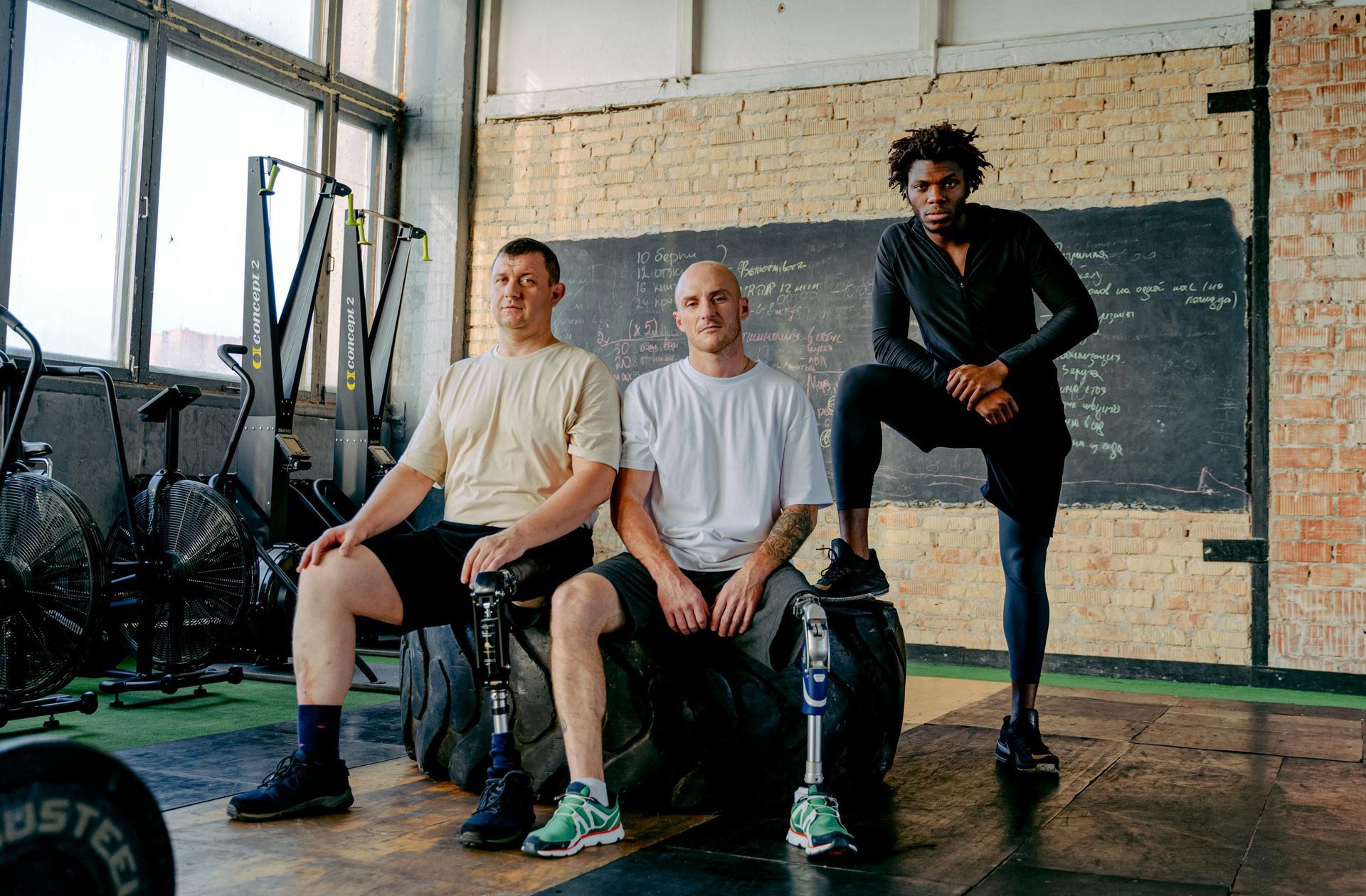
Three men at a gym. Two seated on tires, each with a prosthetic leg. The other stands, leaning on a tire, smiling.
By Nicolette Eberline November 3, 2025
Hey everyone! Doc Nico here, and I'm fired up about something that affects millions of men but rarely gets the attention it deserves. Men are suffering in silence. They're tired, gaining weight, losing muscle, struggling with mood and motivation, and their sex drive has disappeared. They finally work up the courage to see a doctor, get their testosterone checked, and hear those devastating words: "Your labs are normal. There's nothing wrong with you." But here's the truth: "normal" is a lie. The Men's Health Crisis by the Numbers Before we dive into the testosterone scandal, let's talk about the bigger picture: Men are dying, and it's preventable: Men are 24% less likely than women to visit a doctor in the past year Men are 33% more likely to die from heart disease than women Men die by suicide 3.5 times more often than women Men live an average of 5 years less than women 40% of men over 45 have low testosterone, but most are undiagnosed Why aren't men seeking care? Stigma around "weakness" or asking for help Fear of what they might find out Belief that symptoms are "just part of aging" Previous dismissal by healthcare providers Lack of male-focused healthcare messaging The Testosterone Reference Range Scandal Alright, let's get into the part that makes my blood boil as a healthcare provider. Here's how testosterone testing works right now: You get your blood drawn. The lab runs your testosterone level. They compare it to their "reference range" - typically something like 264-916 ng/dL for total testosterone. If you're anywhere in that range, you're told you're "normal." But here's the problem, that range is ABSURD. Why the Reference Range Is Broken It's based on a population average, not optimal health. That 264-916 ng/dL range? It's created by testing a bunch of men (of all ages, health statuses, and fitness levels) and plotting their results on a bell curve. The "normal" range is just the middle 95% of that population. Think about that for a second. If the average man is overweight, sedentary, stressed, and eating poorly (which, let's be honest, describes a lot of American men), then "average" doesn't mean "healthy" - it means "average for a sick population." It lumps 20-year-olds with 80-year-olds. A 25-year-old man with testosterone at 300 ng/dL is NOT the same as a 75-year-old man at 300 ng/d L. But the lab treats them the same - both are "in range." A young man at 300 ng/dL is experiencing premature decline. An older man at 300 ng/dL might be doing okay for his age. Context matters! Testosterone levels have been declining for decades. Studies show that average testosterone levels have dropped about 1% per year since the 1980s. This means today's "normal" would have been considered low 40 years ago. We're literally lowering the bar based on a declining population, then telling men they're fine when they're actually experiencing the effects of a societal health crisis. The range is MASSIVE Let's do some math. The difference between 264 ng/dL and 916 ng/dL is 247%. Imagine if your doctor said your blood pressure could be anywhere from 90/60 to 220/140 and that's "normal." You'd think they were crazy! But that's essentially what we're doing with testosterone. A man at 300 ng/dL and a man at 800 ng/dL are going to feel COMPLETELY different, but both are told they're "fine." What "Low Normal" Testosterone Actually Feels Like If you're a man sitting at 300-600 ng/dL (technically "in range" but on the low end), here's what you might be experiencing: Physical symptoms: Constant fatigue, even after sleeping Difficulty building or maintaining muscle Increased body fat, especially around the midsection Decreased strength and endurance Joint pain and slower recovery from workouts Low libido or erectile dysfunction Hot flashes or night sweats Mental/emotional symptoms: Brain fog and difficulty concentrating Decreased motivation and drive Irritability or mood swings Anxiety or depression Loss of competitive edge Feeling like a shell of your former self The PSA Conversation We Need to Have While we're talking about men's health, let's address prostate health. PSA (Prostate-Specific Antigen) testing is controversial, but here's what you need to know. What is PSA? PSA is a protein produced by the prostate gland. Elevated levels can indicate prostate cancer, but they can also be elevated due to benign conditions like enlarged prostate or prostatitis. The controversy is some organizations say routine PSA screening leads to overdiagnosis and unnecessary treatment. Others say it saves lives by catching cancer early. My take: If you're over 40, really considering TRT or getting a health baseline in your mid-late 30s, you should know your PSA One PSA number means nothing - it's about tracking trends over time PSA should be part of a comprehensive men's health evaluation Discuss the pros and cons with a provider who will actually listen to you Important for testosterone therapy: If you're considering testosterone replacement, you NEED a baseline PSA. Testosterone doesn't cause prostate cancer, but it can accelerate an existing cancer. We check PSA before starting therapy and monitor it regularly. When Should You Actually Seek Treatment? Here's my professional opinion on when testosterone optimization makes sense. You should consider testosterone therapy if: Your total testosterone is below 600 ng/dL AND you have symptoms Your free testosterone is low (this is often more important than total) You've tried lifestyle optimization (sleep (yes that means treating sleep apnea aka snoring), diet, exercise, stress management) for 3-6 months without improvement Your symptoms are significantly affecting your quality of life You're motivated to commit to treatment and monitoring The Lifestyle Foundation Before we talk about treatment, let's be real - some men have low testosterone because of lifestyle factors that are fixable: Things that TANK testosterone: Poor sleep (especially less than 7 hours) Chronic stress and high cortisol Excess body fat (fat tissue converts testosterone to estrogen) Excessive alcohol consumption Lack of exercise (especially strength training) Nutrient deficiencies (zinc, vitamin D, magnesium) Certain medications Environmental toxins (plastics, pesticides) Things that BOOST testosterone naturally: Quality sleep (7-9 hours consistently) and treating sleep apnea Strength training 3-4x per week Maintaining healthy body composition Managing stress effectively Eating adequate protein and healthy fats Getting morning sunlight Limiting alcohol Optimizing vitamin D, zinc, and magnesium If your lifestyle is a mess, we need to fix that first. But if you're doing everything right and still feeling terrible, it's time to consider treatment. Treatment Options That Actually Work Injections: Dosing: Twice weekly Administration: Intramuscular or subcutaneous Pharmacology: Synthetic testosterone Kinetics: Creates peaks and troughs in serum levels between doses Pellets: Dosing: Every 4-6 months (average 5 months) Administration: In-office minor surgical procedure (subdermal implantation) Pharmacology: Bioidentical testosterone Kinetics: Provides steady-state release over time with minimal fluctuation Creams: Dosing: Daily application Administration: Topical (scrotal application provides highest absorption due to thinner skin and increased permeability) Pharmacology: Bioidentical testosterone Kinetics: Transdermal absorption; effectiveness varies based on application site and individual skin barrier function Oral Pills: Dosing: Daily (typically twice daily) Administration: Oral Pharmacology: Synthetic testosterone (testosterone undecanoate) Kinetics: Absorbed through the lymphatic system, bypassing first-pass liver metabolism Note: Less commonly prescribed What about "booster" supplements? Most over-the-counter testosterone boosters are garbage. They might help if you have specific nutrient deficiencies, but they won't fix true low testosterone. Save your money. There are prescription testosterone boosters that may work for patients and may be a better option for those in their 20s, 30s, preserving fertility or actively trying to have a baby. Beyond Testosterone: Other Hormones That Matter Testosterone doesn't exist in isolation. When we optimize men's hormones, we also look at: Estradiol (yes, men need estrogen too!) Too low: joint pain, low libido, mood issues Too high: water retention, emotional, erectile dysfunction We want it in the sweet spot, not too high or too low Thyroid hormones Often overlooked in men Low thyroid mimics low testosterone symptoms Should always be checked alongside testosterone Cortisol Chronic stress kills testosterone production High cortisol = low testosterone Must address stress to optimize hormones DHEA Precursor to testosterone and estrogen Declines with age Can be supplemented if low The Mental Health Connection Here's something most doctors won't tell you: low testosterone and depression/anxiety are deeply connected. Low testosterone can cause:, depression, anxiety, irritability, brain fog, and loss of motivation. But the catch is depression and anxiety can also LOWER testosterone. It's a vicious cycle. F or veterans and first responders especially, PTSD, depression, and anxiety are rampant in these communities. And guess what? These conditions often coexist with hormonal imbalances. This is why I offer both hormone optimization AND ketamine therapy. Sometimes you need to address the mental health piece alongside the physical health piece. Breaking the stigma: Seeking help for mental health isn't weakness - it's strength. Optimizing your hormones isn't "cheating" - it's healthcare. You deserve to feel good. What to Expect from Treatment If you start testosterone therapy, here's the realistic timeline: Weeks 1-2 you might feel a bit better, might feel nothing yet. This is normal - be patient. Weeks 3-6 your e nergy starts improving, mood lifts, libido returns, workouts feel better. M onths 2-3 , you have n oticeable muscle gain, fat loss (especially with proper diet/exercise), mental clarity improves, you're feeling more like yourself. Months 3-6 you have c ontinued body composition changes, stable mood and energy, improved confidence and motivation and thinking "this is how I'm supposed to feel." Important: Results vary by individual, and you need to be patient. This isn't a quick fix - it's a long-term commitment to your health. The Monitoring You Need If a provider prescribes testosterone without proper monitoring, RUN. Typical monitoring schedule depends on the method of getting hormones but includes at a minimum baseline labs, labs for dosing adjustments, and every 6-12 months with an annual PSA. You should be monitored for: Testosterone levels (total AND free ) Sex hormone binding globulin Estradiol Hematocrit (testosterone can increase red blood cells) PSA Liver function Lipid panel Thyroid function The Bottom Line The men's health crisis is real, and it's not getting better on its own. If you're suffering, you're not alone, and you're not "just getting old." Here's what I want you to take away: "Normal" labs don't mean optimal health - If you feel terrible, something is wrong Testosterone below 600 ng/dL with symptoms deserves treatment - Don't let anyone tell you otherwise Lifestyle matters - Fix the foundation first, but don't suffer needlessly if lifestyle isn't enough Mental and physical health are connected - Address both for best results You deserve to feel good - Quality of life matters at every age Men's health matters. YOUR health matters. And no, you don't just have to accept feeling like crap as "part of aging." Ready to take control of your health? If you're in the Las Vegas area and tired of being dismissed, I'm here to help. Text me at (725) 222-8260. Let's fix this together. Your partner in men's health, Doc Nico Your Wellness & Hormones Specialist  P.S. Share this with the men in your life who need to read it. Knowledge is power, and every man deserves to feel strong, energized, and like himself again. 💙