Women's Health Month: The ‘Don’t Skip These’ Basics
What to schedule, what to track, and what to stop brushing off

Women’s Health Month: The “Don’t Skip These” Basics (and why they matter)May is Women’s Health Month—and while hormones are a huge part of the conversation, so is prevention. This is your simple, no-shame reminder that the “boring” basics are often the most powerful things you can do to protect your future health. If you’ve been putting yourself last, consider this your permission slip to come back to the foundation.
The big idea: prevention is self-respect
Women are often the caretakers for everyone else. But your health isn’t something you earn after you’ve done enough for others—it’s something you protect on purpose. Prevention doesn’t have to be overwhelming. It’s a few key screenings, a few key labs, and paying attention to symptoms early instead of waiting until you’re burned out.
The “Don’t Skip These” basics (your checklist)
- Cervical cancer screening (Pap smear / HPV testing)
- Cervical cancer screening saves lives. If you’re due (or you’re not sure), schedule it. If you’ve had abnormal results in the past, follow your recommended interval closely.
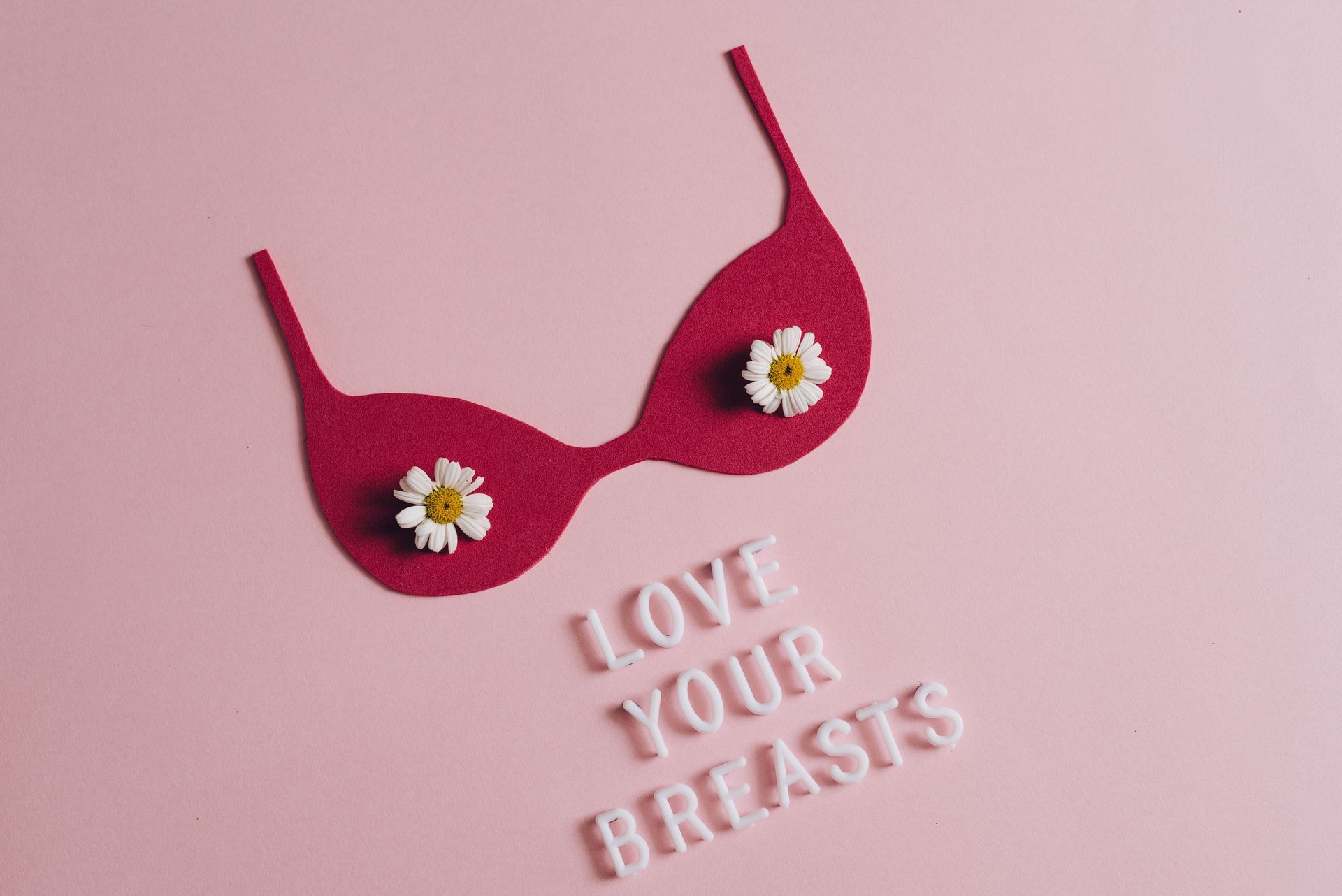
2. Breast health (mammograms + self-awareness)
- Mammograms are still one of the most important screening tools we have. Stay current based on your age and risk factors—and don’t ignore changes like a new lump, skin changes, nipple discharge, or persistent pain.
3. Bone health (DEXA / bone density)
- Bone loss can be silent until it isn’t. If you’re in perimenopause/menopause, have a family history, low body weight, prior fractures, long-term steroid use, or other risk factors, ask about a DEXA scan. Strong bones are a longevity issue—mobility is independence.
4. Metabolic health (the “silent drivers”)
If you want better energy, better hormones, and better aging, pay attention to:
- Blood pressure
- Cholesterol
- A1c / insulin resistance
- Waist circumference and body composition trends
These markers influence inflammation, cardiovascular risk, brain health, and how your body responds to stress.
5. Thyroid + key nutrients (fatigue isn’t a personality trait)
So many women are told they’re “fine” when they’re exhausted. Common contributors we look at:
- Thyroid patterns
- Iron/ferritin
- Vitamin D
- B12
When these are off, you can feel it in your mood, hair/skin, sleep, and weight loss resistance.
When hormones are part of the picture (and they often are)
If you’re noticing symptoms like brain fog, low libido, hot flashes, night sweats, cycle changes, mood shifts, or sleep disruption, hormones may be part of the story—but they’re rarely the only part.
The goal is to look at the whole picture: hormones, thyroid, stress physiology, metabolic health, sleep, and lifestyle.
Lab spotlight: DUTCH Plus (hormones + cortisol)
The DUTCH Plus Test is an advanced at-home lab that uses dried urine testing to measure hormone metabolites (how your body is producing and processing hormones) and it also includes cortisol testing to map your stress response.
It can be helpful for both women and men dealing with fatigue, stubborn weight changes, poor sleep, mood shifts/anxiety, low libido, PMS/perimenopause/menopause symptoms, or when “basic labs look normal” but you still don’t feel like yourself.
We carry the DUTCH Plus Test kit in-office for $650! There will be a special on the DUTCH test during the grand opening!
A quick note for the men reading this
Don’t worry—June is Men’s Health Month, and we’ll be covering you next.
Final takeaway
If you do nothing else this month, do this: pick one thing you’ve been putting off and schedule it. One appointment. One lab. One screening. One step. Your future self will thank you.
If you want help figuring out what you’re due for—or you’re tired of being told everything is “normal”—book a consult and we’ll map out a plan that makes sense for your body and your goals.
We've got this, together 💚
Doc Nico, Your Wellness & Hormones Specialist